Tooth-Saving Care
Root Canal Therapy in North Conway, NH
Relieve deep tooth pain and save your natural tooth with gentle, modern endodontic treatment.
When the inside of a tooth becomes infected or inflamed, pain can linger and worsen quickly. Root canal therapy removes the infection, preserves the tooth structure, and helps you chew comfortably again. At White Mountain Dental in North Conway, NH, we focus on comfort, clear explanations, and long-lasting protection.

Crafting Beautiful Smiles With Percision And Care
Root Canal Therapy at White Mountain Dental
Root canal therapy treats infection or inflammation inside a tooth by cleaning the canals, disinfecting the space, and sealing it to prevent reinfection. At White Mountain Dental in North Conway, NH, this treatment is designed to relieve pain, stop infection from spreading, and keep your natural tooth in place whenever possible.
Signs You May Need a Root Canal
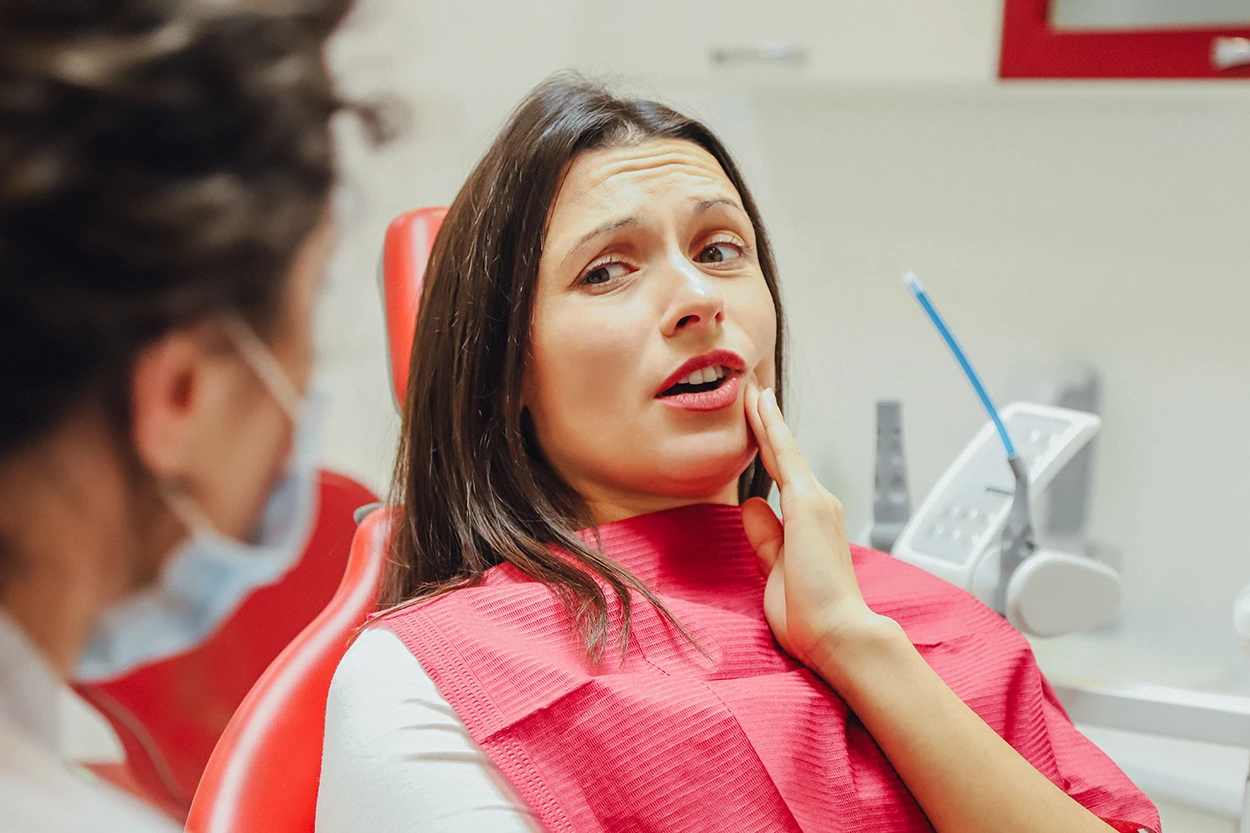
Not every toothache needs a root canal, but certain symptoms are strong clues that the nerve is irritated or infected. Early care can reduce pain and help prevent swelling or abscess formation.
- Persistent or throbbing tooth pain Pain that lingers or flares with chewing can indicate nerve involvement.
- Hot/cold sensitivity that lasts Lingering sensitivity may point to inflamed or damaged pulp.
- Swelling or a gum “pimple” A bump on the gums can be a sign of an infection draining from the tooth.
- Darkening tooth or deep decay Trauma or decay can affect the nerve even without severe pain.
How Root Canal Therapy Works
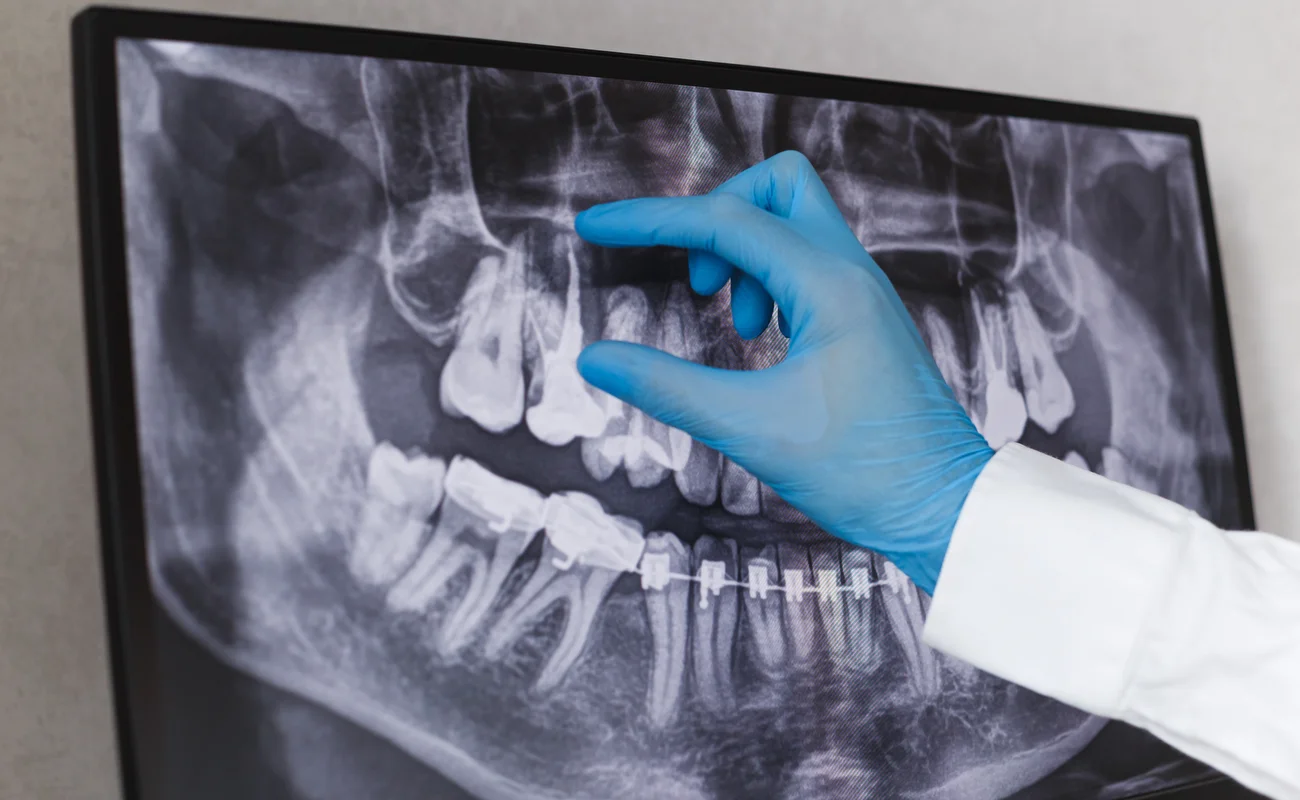
After we confirm the diagnosis with an exam and X-rays, we numb the area thoroughly to keep you comfortable. We remove the infected or inflamed tissue from inside the tooth, clean and disinfect the canals, then seal them to help prevent reinfection. A protective restoration is often recommended afterward to strengthen the tooth and restore full function.
- Digital imaging to diagnose infection and assess roots
- Local numbing and comfort-focused technique
- Thorough cleaning and disinfection of the canal space
- Sealing and restoration planning to protect the tooth long-term
Aftercare and Long-Term Protection
Most patients return to normal routines quickly, with mild tenderness that improves as the tooth settles. Avoid chewing hard foods on the treated tooth until it’s fully restored. Good brushing, flossing, and regular checkups help the tooth last for years. If you have tooth pain, swelling, or lingering sensitivity, contact White Mountain Dental in North Conway, NH to get answers and relief with a tooth-saving plan.
Root Canal Therapy FAQ
- Is a root canal painful?
- Most patients are surprised by how comfortable it is. With thorough numbing, root canal therapy often feels similar to getting a filling, and it usually relieves the pain caused by infection.
- Why would I need a root canal instead of a filling?
- A filling treats decay in the tooth structure. A root canal is needed when the nerve tissue inside the tooth is inflamed or infected, which a filling alone cannot resolve.
- How do I know if my tooth is infected?
- Signs can include lingering sensitivity, pain on biting, swelling, a gum bump, or a bad taste. Sometimes infection is present without severe pain, which is why an exam and X-rays matter.
- How long does a root canal take?
- Timing depends on the tooth and how complex the canals are. Some teeth can be completed in one visit, while others may require more than one appointment.
- Will I need a crown after a root canal?
- Often, yes—especially for back teeth. A crown or protective restoration helps strengthen the tooth and reduce the risk of fracture after treatment.
- What happens if I delay treatment?
- Infection can worsen, causing swelling, abscess formation, and increasing the chance the tooth cannot be saved. Early treatment usually leads to a smoother, more predictable outcome.
- Can a root canal fail?
- Most root canals are successful and long-lasting, but reinfection can occur in some cases. If problems return, we’ll evaluate the tooth and discuss retreatment or other options.
- Do I need antibiotics for a tooth infection?
- Not always. Antibiotics may be used for certain spreading infections, but the most important step is treating the source inside the tooth.
- What should I expect after my appointment?
- Mild soreness is common for a few days, especially when chewing. Follow any care instructions and avoid hard chewing on the treated tooth until it’s fully restored.
- How do I get started?
- Schedule an exam if you have tooth pain, swelling, or lingering sensitivity. At White Mountain Dental in North Conway, NH, we’ll diagnose the cause and explain your tooth-saving options clearly.


Quick Links
Office Hours
Mon–Thu: 8:00am–5:00pm
Fri–Sun: Closed
Patient Testimonials