Tooth Replacement Options
Dental Bridges in North Conway, NH
Replace missing teeth with a natural-looking bridge that helps restore chewing and confidence.
A gap from missing teeth can make eating harder and may let nearby teeth drift out of place. A dental bridge fills that space with replacement teeth designed to blend into your smile. At White Mountain Dental in North Conway, NH, we help you choose the right bridge style for comfort, stability, and long-term health.
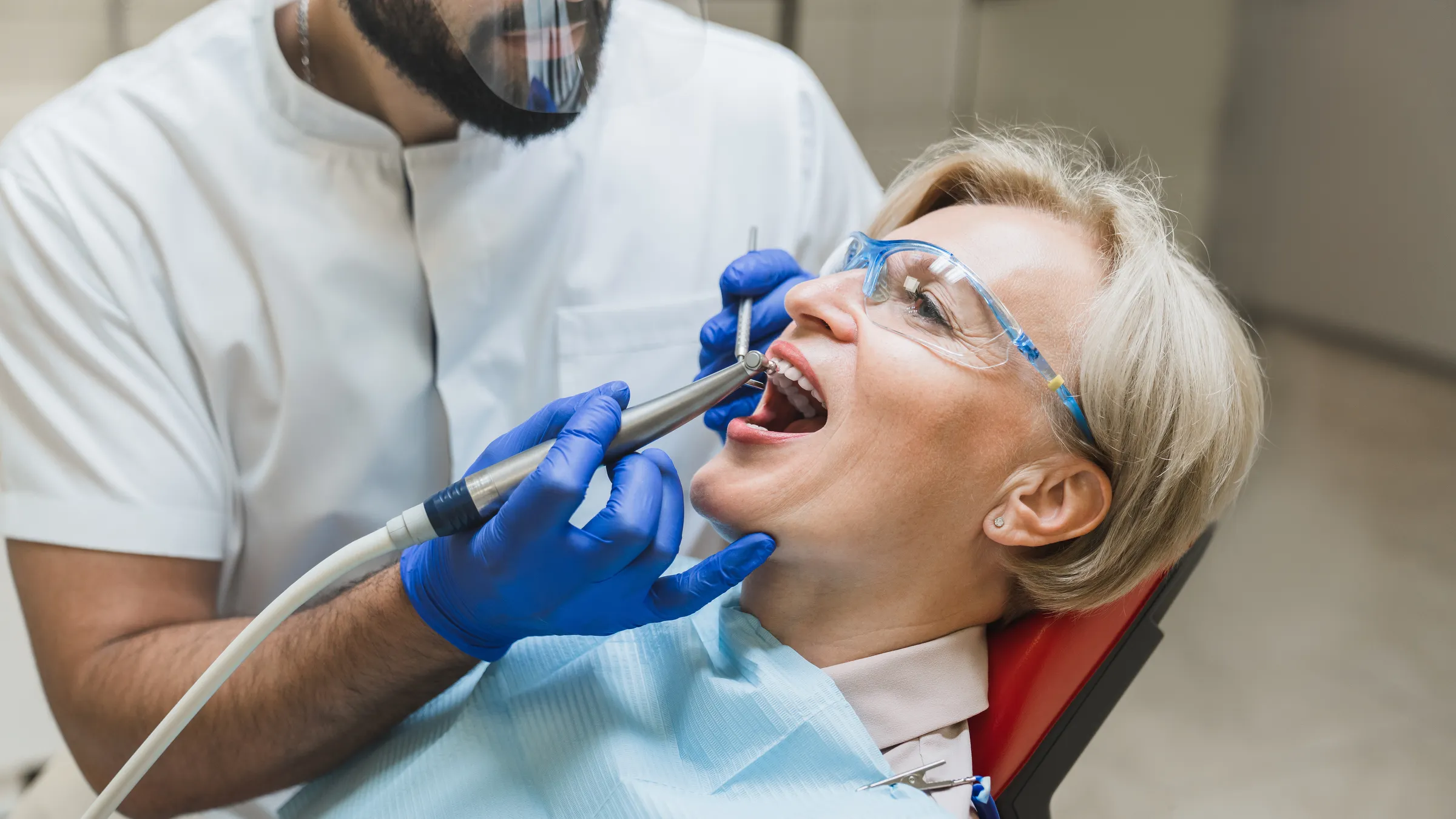
Crafting Beautiful Smiles With Percision And Care
Dental Bridges That Restore Your Smile at White Mountain Dental
Dental bridges replace one or more missing teeth by “bridging” the space with lifelike replacement teeth. At White Mountain Dental in North Conway, NH, we evaluate your bite, gum health, and surrounding teeth to recommend either a traditional bridge or an implant-supported bridge—whichever best supports your comfort and long-term results.
Traditional vs. Implant-Supported Bridges
Both options can restore your smile, but they work in different ways. A traditional bridge is supported by the teeth next to the gap, while an implant-supported bridge is anchored to dental implants for added stability. We’ll explain the pros and cons in plain language so you can feel confident in your decision.
- Traditional bridge Supported by neighboring teeth that are prepared to hold crowns.
- Implant-supported bridge Anchored to implants instead of relying on nearby teeth.
- Restored chewing and speech Fills the gap so biting feels more comfortable and words sound clearer.
- Helps prevent shifting Replacing missing teeth can reduce drifting and bite changes over time.
What to Expect During Treatment
Your first step is an exam to confirm the best type of bridge and ensure healthy gums and a stable bite. For a traditional bridge, we prepare the supporting teeth and take precise impressions for a custom fit. For an implant-supported bridge, implants are placed and allowed to heal before the final bridge is secured. Throughout the process, our goal is a bridge that looks natural, feels comfortable, and functions reliably.
- Bite evaluation to improve comfort and reduce uneven wear
- Precise impressions for a secure fit and natural appearance
- Shade matching and contouring to blend with your smile
- Home-care guidance to protect the bridge and supporting teeth
Am I a Candidate for a Dental Bridge?
You may be a candidate if you’re missing one or more teeth and want a fixed replacement option. Traditional bridges require healthy neighboring teeth and good gum support, while implant-supported bridges require adequate bone and healthy healing conditions. If you have gum disease, heavy grinding, or ongoing tooth decay, we may recommend stabilizing those issues first. Contact White Mountain Dental in North Conway, NH to schedule a consultation and learn which bridge option fits your needs.

Dental Bridges FAQ
- What is a dental bridge?
- A dental bridge replaces missing teeth by filling the gap with lifelike replacement teeth that are supported by neighboring teeth or dental implants.
- How do I know if I need a bridge?
- If you have a missing tooth (or multiple), a bridge can restore chewing, reduce shifting of nearby teeth, and improve how your smile looks and feels.
- What’s the difference between a traditional bridge and an implant-supported bridge?
- A traditional bridge is held by crowns on the teeth next to the gap. An implant-supported bridge is anchored to implants, which can provide added stability without relying on neighboring teeth.
- Does getting a bridge hurt?
- We use numbing and comfort-focused care during treatment. Mild soreness or sensitivity afterward can happen, but it is usually temporary and manageable.
- How long does a dental bridge last?
- Many bridges last for years with good brushing, flossing, and regular checkups. Longevity depends on your bite, home care, and the health of supporting teeth or implants.
- Will a bridge look natural?
- Yes. Bridges are custom-made to match tooth color and shape, and we focus on a comfortable bite and natural contours.
- Can I eat normally with a bridge?
- Once you’re used to it, most patients return to normal eating. We may recommend starting with softer foods right after placement, then easing back into your usual diet.
- How do I clean around a bridge?
- Daily cleaning is essential. We’ll show you techniques and tools to clean around the bridge and along the gumline to help prevent decay and gum inflammation.
- Is a bridge better than a removable partial denture?
- It depends on your goals and oral health. Bridges are fixed and can feel more natural, while removable options may be appropriate in certain situations. We’ll help you compare options.
- How do I get started?
- Schedule a consultation so we can evaluate the gap, your bite, and supporting teeth. At White Mountain Dental in North Conway, NH, we’ll recommend the best bridge option and outline your next steps.

Quick Links
Office Hours
Mon–Thu: 8:00am–5:00pm
Fri–Sun: Closed
Patient Testimonials