
Counting Sheep Won’t Help: Understanding Sleep Apnea
November 18, 2026
Quick answer
Sleep apnea is a disorder in which breathing repeatedly stops and starts during sleep, most often because the airway collapses. Loud snoring, gasping, and daytime exhaustion are common clues, and both sleep physicians and dentists play a role in spotting and treating it.
Key takeaways
- Sleep apnea causes repeated breathing pauses that fragment your sleep and strain your heart.
- Loud snoring, gasping, morning headaches, dry mouth, and worn teeth are frequent warning signs.
- Dentists often notice early clues during routine exams and can craft custom oral appliances.
- CPAP remains the leading therapy, but oral appliances and lifestyle changes help many people.
- A proper diagnosis requires a sleep study ordered through a physician, not guesswork.
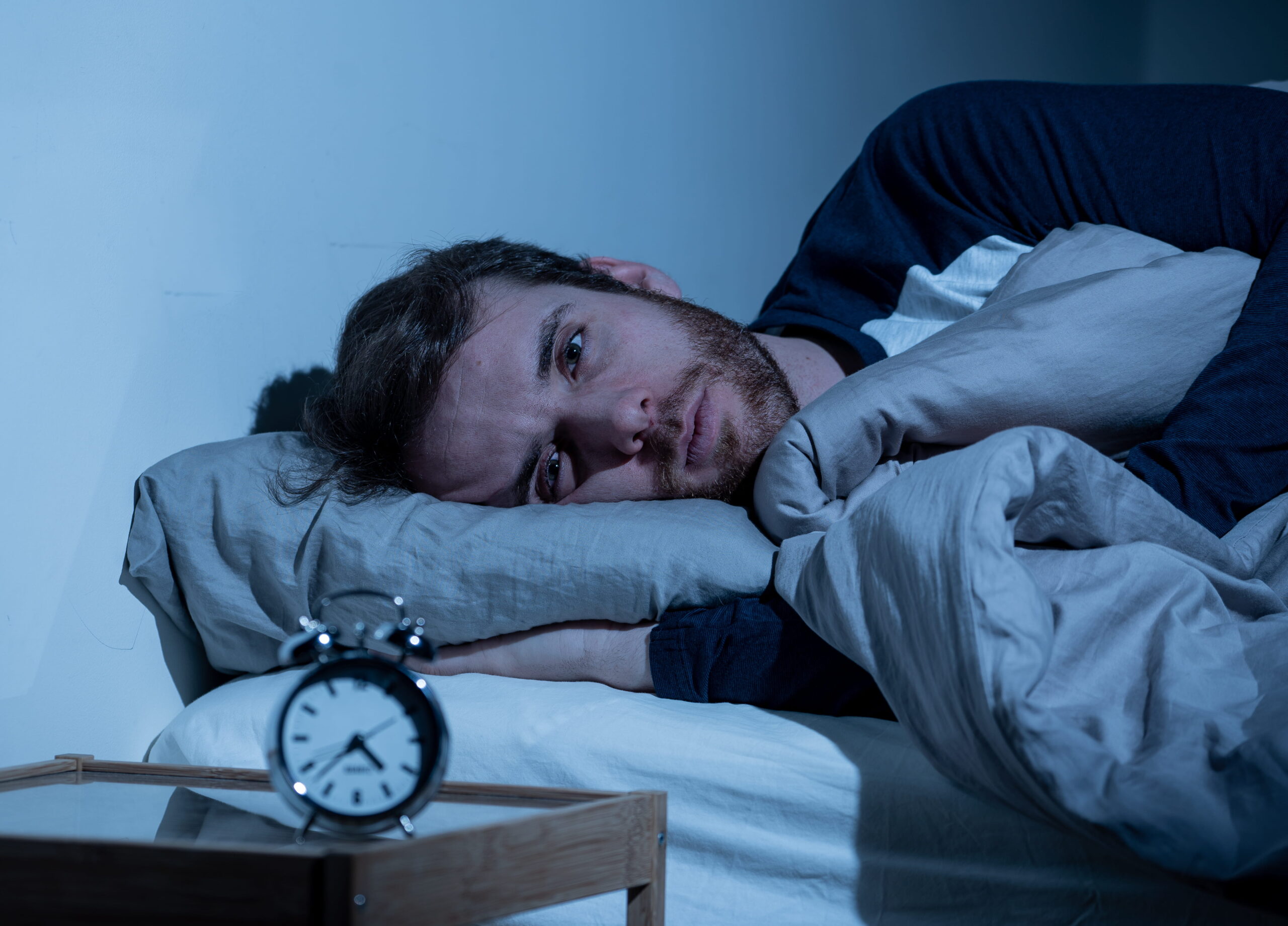
Picture a thief who slips in each night, not after your wallet, but after your rest. You never hear the lock click. You only notice the aftermath: a foggy morning, a pounding head, and a partner who swears you stopped breathing somewhere around two in the morning. That quiet intruder has a name: sleep apnea.
At White Mountain Dental in North Conway, we see the footprints this visitor leaves behind long before many people ever reach a sleep clinic. Let us walk you through the whole story, from the first clue to the moment you finally sleep like the mountains around us: deep, still, and undisturbed.
What Sleep Apnea Really Is
Sleep apnea is a breathing disorder in which your airway narrows or collapses during sleep, causing you to stop breathing for short stretches again and again. Each pause nudges your brain awake just enough to restart the breath, which is why you feel wrecked in the morning even after a full night in bed.
A quick definition for busy readers
Think of your airway as a garden hose. When everything is open, air flows freely. When the walls soften and cave in, the flow chokes off. Your body panics, jolts you partway awake to reopen the passage, and then the cycle repeats, sometimes hundreds of times before sunrise.
Obstructive, central, and complex
This story has three main characters. Obstructive sleep apnea, by far the most common, happens when the throat muscles relax and block the airway. Central sleep apnea is different: the airway stays open, but the brain forgets to send the signal to breathe. Complex sleep apnea is a blend of both. Knowing which one you have matters, because the fix changes depending on the culprit.
Why counting sheep will not fix a breathing problem
Here is the frustrating truth. No amount of chamomile tea, blackout curtains, or counting sheep will repair a collapsing airway. Sleep apnea is a mechanical and neurological issue, not a bedtime routine issue. That is why people can sleep nine hours and still feel like they ran a marathon in their sleep.
Who the Night Thief Targets Most
Sleep apnea can visit anyone, but it favors certain doors. Extra weight around the neck, older age, a naturally narrow airway, a large tongue, and family history all raise your odds. It frequently slips past undetected for years.
Common risk factors
- Carrying extra weight, especially around the neck and midsection
- Getting older, as throat tissues naturally lose firmness
- Inheriting a narrow jaw, large tonsils, or a crowded airway
- Smoking and evening alcohol, both of which relax throat muscles
- Chronic nasal congestion that forces mouth breathing
Why it so often goes unnoticed
The cruelest part is that the thief works while you are unconscious. You do not feel the pauses. Many people only discover something is wrong when a bed partner describes the gasping and silence, or when a doctor connects the dots between high blood pressure and poor sleep. Outpatient evaluation has become far more accessible over the years, as outlined in this overview of outpatient management of adult sleep apnea.
Men, women, and children
Men are diagnosed more often, but women are frequently overlooked because their symptoms can read as fatigue, insomnia, or mood changes rather than classic snoring. Children can have it too, often tied to enlarged tonsils, and may show it through restlessness, bedwetting, or trouble concentrating at school rather than daytime sleepiness.
Reading the Footprints: Signs and Symptoms
The warning signs of sleep apnea show up both at night and during the day. Loud snoring, witnessed breathing pauses, gasping awake, relentless daytime tiredness, morning headaches, and a dry mouth are the most telling clues.
Loud snoring and breathing pauses
Snoring alone is common and often harmless. The red flag is snoring punctuated by silence, followed by a sudden snort or gasp. If someone has ever shaken you awake because you seemed to stop breathing, treat that as a serious signal worth investigating.
Daytime fatigue and mental fog
When your night is chopped into fragments, your brain never finishes the deep, restorative stages it craves. The result is a stubborn fog: nodding off at your desk, drifting during conversations, or feeling drowsy behind the wheel on the Kancamagus. That kind of fatigue is not laziness; it is oxygen debt.
Morning headaches, dry mouth, and grinding
Wake up with a dull headache and a mouth like sandpaper? Those are classic morning calling cards. Many people with sleep apnea also grind or clench their teeth through the night, which brings us straight to the dental chair.
When to speak up
If several of these signs sound familiar, it is time to raise your hand. Mention them at your next dental visit or to your physician. The sooner the thief is identified, the sooner you reclaim your nights.
What Your Mouth Quietly Confesses
Your mouth is a surprisingly honest witness. During a routine exam, our team often spots the fingerprints of sleep apnea before a formal diagnosis ever happens.
Clues we notice during a checkup
Worn or flattened teeth, a scalloped tongue, a small or crowded airway, redness in the throat, and signs of long-term dry mouth all catch our attention. When we see several of these together, we start asking about sleep.
Grinding and clenching
Nighttime grinding, known as bruxism, frequently travels alongside sleep apnea. Some researchers believe the jaw clenches as a reflex to reopen a blocked airway. If your enamel is wearing down or your jaw aches in the morning, that pattern deserves a closer look.
Airway shape and oral health
The structure of your jaw, tongue, and throat helps decide how easily air moves at night. A naturally tight airway raises the risk of collapse, which is one reason dentists are well positioned to notice the problem and to help manage it.
Why Ignoring the Thief Costs You
Untreated sleep apnea is far more than an annoyance. Those repeated drops in oxygen and constant mini-awakenings place real strain on the heart, brain, and metabolism over time.
Effects on heart and metabolism
Night after night of interrupted breathing is linked with higher blood pressure, irregular heart rhythms, and greater cardiovascular strain. It can also make blood sugar harder to manage. Treating the apnea is one of the quieter ways to protect your long-term health.
Mood, memory, and daily safety
Chronic exhaustion chips away at mood, patience, and memory. It also makes driving and operating machinery genuinely more dangerous, because drowsiness slows your reactions. This is not just about feeling grumpy; it is about staying safe.
Surgery and anesthesia
If you ever need surgery, undiagnosed sleep apnea raises the stakes, because sedation further relaxes the airway. That is why care teams screen for it before procedures, a practice detailed in the preoperative screening guidelines for patients with sleep apnea. Sharing a suspected diagnosis before any procedure keeps you safer.
How the Mystery Gets Solved
Sleep apnea is officially diagnosed through a sleep study ordered by a physician, not by self-diagnosis or a smartwatch alone. The process usually starts with simple questions and ends with a monitored night of sleep.
Screening conversation
It often begins with a questionnaire and a frank talk about snoring, tiredness, and overall health. Your dentist or doctor may be the first to raise the possibility.
Choosing a sleep study
A home sleep test lets you record your breathing in your own bed, while an in-lab study tracks more detail with full monitoring. A physician helps decide which fits your situation.
Reading the results
The study measures how often your breathing pauses and how much your oxygen dips, which confirms the diagnosis and its severity.
Care is also becoming more tailored to the individual. Researchers are moving toward a more personalized approach to diagnosis and treatment, as described in this look at precision medicine for obstructive sleep apnea. The goal is matching the right solution to the right person rather than a one-size-fits-all script.
Treatments That Genuinely Work
Several treatments can quiet the night thief for good. The best choice depends on the type and severity of your apnea, your anatomy, and your lifestyle.
Approaches that help
- CPAP therapy to keep the airway open with gentle air pressure
- Custom oral appliances fitted by your dentist
- Weight management and regular movement
- Side sleeping instead of back sleeping
- Limiting evening alcohol and avoiding smoking
Habits that make it worse
- Alcohol close to bedtime
- Smoking, which inflames the airway
- Ignoring loud snoring and gasping
- Relying on untested gadgets instead of a real diagnosis
- Skipping follow-up once you start treatment
CPAP, the proven leader
CPAP, which stands for continuous positive airway pressure, is the most established therapy. A small machine blows a steady stream of air through a mask to hold the airway open all night. Its track record is strong, as summarized in this review of CPAP for adults with obstructive sleep apnea. It takes a little getting used to, but for many people it is transformative.
Oral appliances from your dentist
For milder cases, or for people who cannot tolerate CPAP, a custom oral appliance can be a comfortable alternative. It fits like a slim mouthguard and gently holds your lower jaw forward so the airway stays open. Because it is fitted to your exact bite, comfort and consistency improve, and it travels easily. This is an area where a dental team adds real value.
Lifestyle shifts
Losing even a modest amount of weight, moving your body regularly, sleeping on your side, and cutting evening alcohol can meaningfully reduce the number of nightly pauses. These changes often work best alongside another therapy rather than entirely on their own.
Surgery and combined plans
When anatomy is the main obstacle, procedures to adjust the airway may be considered. Many people do best with a combination, such as an oral appliance plus lifestyle changes, guided by their care team.
How Our North Conway Team Can Help
Our North Conway dental team helps by screening for sleep apnea, crafting custom oral appliances, and coordinating with sleep physicians so you get a complete plan. We are often the first stop on the road to better sleep.
What a screening visit looks like
At your visit, we examine your teeth, jaw, and airway, ask about your sleep and energy, and look for the telltale signs of grinding and dryness. If we suspect apnea, we guide you toward the right next step rather than leaving you to figure it out alone. You can learn more about our approach to routine general care and how it fits into your overall health.
Working with sleep physicians
We do not work in a silo. Diagnosis comes from a physician and a sleep study, so we coordinate closely to make sure the pieces fit together. Once a diagnosis is in hand, we can fit and adjust an oral appliance and keep an eye on how your mouth responds over time.
Your next step in the valley
If the night thief sounds a little too familiar, reach out. Call us at (603) 356-6505 to talk through your symptoms and schedule a screening. Better mornings often start with one honest conversation.
Ready to take the next step?
Schedule a consultation with White Mountain Dental in North Conway.
Call (603) 356-6505Meet Dr. Harry Gulati
Dr. Harry Gulati, BDS, DMD, CAGS, brings extensive clinical, academic, and research experience to Androscoggin Valley Dental. He earned his Bachelor of Dental Surgery from Dr. D.Y. Patil Dental School, his Certificate of Advanced Graduate Studies in Restorative and Esthetic Dentistry from Boston University, and his Doctor of Dental Medicine from Tufts University School of Dental Medicine. He also completed advanced training in implant dentistry through the International Academy of Dental Implantology.
Known for his calm and patient-centered approach, Dr. Gulati provides preventive, restorative, cosmetic, and implant care with a strong focus on long-term function and natural-looking results. He takes the time to explain treatment options clearly, helping patients feel informed, comfortable, and confident throughout their care.
Beyond private practice, Dr. Gulati has served as an Associate Clinical Professor at Tufts University School of Dental Medicine, where his responsibilities have included clinical instruction, diagnosis, treatment planning, and mentoring dental students. He has lectured nationally and internationally on restorative dentistry, dental education, and the treatment of endodontically treated teeth. His professional contributions also include published research, editorial and journal-review roles, dental product evaluation, and participation in organizations such as the American Dental Association, Academy of General Dentistry, and American Dental Education Association.
Dr. Gulati’s commitment to dentistry extends into the community through volunteer dental screenings, outreach programs, fundraising, and services supporting children and underserved populations. His dedication to clinical care, education, and service has earned several honors, including Incisal Edge’s Top 40 Under 40 recognition, the Doctors’ Choice Award, and fellowship in the International College of Dentists.
Learn more about Dr. Gulati’s professional background and accomplishments on his LinkedIn profile.
Frequently asked questions
Q: What are the warning signs of sleep apnea?
The most common warning signs are loud snoring broken by silent pauses, gasping or choking awake, relentless daytime tiredness, morning headaches, a dry mouth on waking, and nighttime teeth grinding. If a bed partner notices you stop breathing, treat that as a strong reason to get screened.
Q: Can a dentist diagnose or treat sleep apnea?
A dentist cannot officially diagnose sleep apnea, since a formal diagnosis requires a sleep study ordered by a physician. However, dentists often spot early clues such as worn teeth and a crowded airway, and they can fit custom oral appliances and coordinate care once a diagnosis is confirmed.
Q: Is snoring always a sign of sleep apnea?
No, snoring by itself is very common and often harmless. The concerning pattern is snoring interrupted by silent pauses and followed by gasping or snorting, especially when paired with daytime fatigue. That combination is worth discussing with a professional.
Q: What happens if sleep apnea goes untreated?
Untreated sleep apnea is linked with higher blood pressure, irregular heart rhythms, harder-to-manage blood sugar, mood and memory changes, and greater drowsy-driving risk. It can also raise complications during surgery and anesthesia, which is why early treatment matters.
Q: Is CPAP the only treatment for sleep apnea?
No, CPAP is the most established therapy, but it is not the only option. Custom oral appliances fitted by a dentist, weight management, side sleeping, limiting evening alcohol, and in some cases surgery can all help, often in combination depending on your situation.
Q: How is sleep apnea officially diagnosed?
Diagnosis usually starts with a screening conversation and questionnaire, then moves to a sleep study. This can be a home sleep test in your own bed or an in-lab study with fuller monitoring. The study measures how often your breathing pauses and how your oxygen levels drop.
For directions, use this helpful Google Maps link or get step-by-step navigation via Get Directions.
Remember: Persistent snoring, gasping at night, and daytime exhaustion are worth taking seriously, and early screening can protect both your sleep and your heart.
Disclaimer: This article is for general education only and is not medical advice; please consult a qualified physician or dentist for diagnosis and a treatment plan suited to you.
