
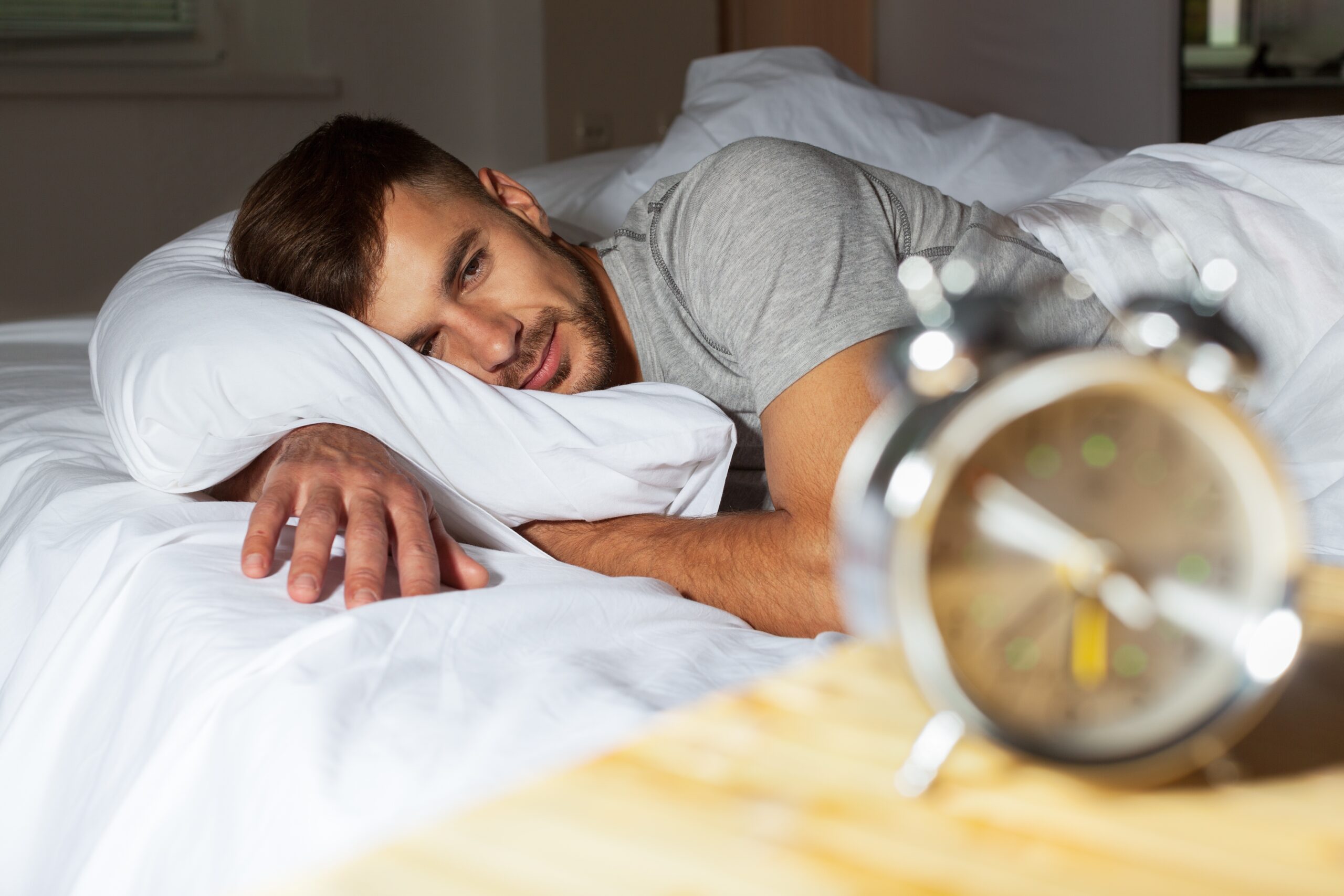
Can the Right Pillow Really Help With Sleep Apnea and Nighttime Breathing?
October 21, 2026
Quick answer
A supportive pillow can improve your sleep position and reduce mild snoring, but it cannot cure sleep apnea. It works best alongside proven care such as a custom oral appliance or CPAP guided by a dentist or physician.
Key takeaways
- A pillow may help with positioning and comfort, but it is not a stand-alone treatment for sleep apnea.
- Side sleeping and a slightly elevated head generally support easier nighttime breathing more than back sleeping.
- Wedge, cervical, and CPAP-friendly pillows each solve different problems, so match the pillow to your needs.
- Loud snoring, gasping, or daytime tiredness are signals to get evaluated rather than only shopping for a pillow.
- White Mountain Dental can screen for sleep apnea and provide custom oral appliances.
Quick Answer: Can a Pillow Really Help With Sleep Apnea?
A pillow for sleep apnea can help, but only in a supporting role. The right pillow encourages a better sleep position and keeps your neck aligned, which may reduce light snoring and improve comfort. What a pillow cannot do is open a collapsed airway on its own or replace real medical care. If you have moderate or severe sleep apnea, no pillow will fix the underlying problem.
What a pillow can and cannot do
A good pillow can nudge you onto your side, cradle your neck, and slightly raise your upper body. These small changes sometimes ease breathing for people with mild symptoms. A pillow cannot diagnose your condition, prevent repeated pauses in breathing, or protect your heart from the strain that untreated sleep apnea causes over time.
When to still see a dentist or sleep physician
See a professional if you snore loudly most nights, wake up gasping, feel exhausted during the day, or a partner notices you stop breathing. The team at White Mountain Dental in North Conway can screen you and guide you toward testing. As Dr. Harry Gulati often reminds patients, a pillow is a comfort tool, not a diagnosis.
How Sleep Apnea and Nighttime Breathing Actually Work
Sleep apnea happens when your breathing repeatedly stops and starts during sleep. Each pause lowers your oxygen and briefly wakes your brain, even if you do not remember it. Over a night, this can happen dozens or even hundreds of times, which is why you feel so tired the next day.
Obstructive vs. central sleep apnea
The two main types work differently. Obstructive sleep apnea is the most common form and happens when the soft tissue at the back of the throat relaxes and blocks the airway. Central sleep apnea is less common and occurs when the brain does not send the right signals to the muscles that control breathing. A pillow may help a little with the obstructive type, but it does nothing for central sleep apnea.
Why the airway collapses during sleep
During sleep, the muscles in your throat and tongue relax. In people prone to apnea, this relaxation narrows or closes the airway. Extra weight around the neck, a naturally small jaw, or enlarged tissues can make this worse. The result is that air struggles to pass, which creates snoring and the sudden pauses that define the condition.
The role of sleep position and gravity
Gravity plays a bigger part than most people expect. When you lie on your back, the tongue and soft tissues fall backward and are more likely to block the airway. This is exactly why sleep position, and the pillow that supports it, can make a real difference for some people with mild symptoms.
What Studies Say About Pillows and Sleep Apnea
Studies suggest that specialty pillows can produce small improvements for some people, but the results are modest and not a substitute for proven care. Researchers have looked at memory foam pillows, anti-snore pillows, and simple positioning devices with mixed but useful findings.
Memory foam pillow research findings
One preliminary study on memory foam pillows found that a well-shaped pillow could modestly help airway positioning in some patients with obstructive sleep apnea. You can read the full study, which was a small randomized trial, here: Memory Foam Pillow as an Intervention in Obstructive Sleep Apnea. The takeaway is that a memory foam pillow may support better alignment, but the benefit was limited and did not replace medical treatment.
Anti-snore and smart pillow evidence
Smart anti-snore pillows aim to detect snoring and gently shift your head. A published trial on this technology, which you can review here: Efficacy of a Smart Antisnore Pillow in Patients with Obstructive Sleep Apnea, reported some reduction in snoring for certain users. Again, the effect was helpful for comfort and noise but did not resolve the condition itself.
Positional support vs. specialty pillows
Encouraging side sleeping, often called positional care, has solid support in the research. A helpful overview of this approach is available here: Positional therapy for obstructive sleep apnoea. For people whose apnea is clearly worse on their back, keeping off the back can lower the number of breathing events. This suggests that your sleep position often matters more than the brand of pillow.
Sleep Position Matters More Than the Pillow Itself
Your sleep position often has a bigger impact than any single pillow. The goal is to keep your airway open, and the way you lie is the most direct way to do that at home.
Why back sleeping worsens apnea
Back sleeping is the hardest position for many people with apnea because gravity pulls the tongue and soft tissues backward into the airway. If your symptoms are noticeably worse when you sleep flat on your back, changing position may bring meaningful relief.
Side sleeping and airway support
Side sleeping usually keeps the airway more open because the tongue is less likely to fall back. A supportive pillow that fills the gap between your ear and shoulder helps you stay comfortably on your side through the night. This is where a well-chosen pillow earns its place.
Elevating the head and upper body
Raising the head and upper body slightly can also help by reducing pressure on the airway. This does not mean stacking several flat pillows, which can bend your neck awkwardly. A gentle, even incline that lifts the chest and head together tends to work best.
Types of Pillows Marketed for Sleep Apnea
Several pillow styles are sold for better nighttime breathing, and each targets a different problem. Knowing what each one does helps you avoid wasting money on the wrong design.
Cervical and contour pillows
Cervical and contour pillows have a curved shape that supports the natural line of your neck. They can keep your head from tilting in a way that pinches the airway, which is useful for side and back sleepers who want steady alignment.
Wedge and inclined pillows
Wedge pillows raise your upper body at a gentle angle. This incline can reduce the pull of gravity on the airway and may ease mild snoring and reflux. They are a reasonable choice if lying flat makes your breathing feel worse.
CPAP-friendly pillows
CPAP-friendly pillows have cutouts that make room for a mask and hose. If you use a CPAP machine, this style helps you sleep on your side without the mask leaking or shifting, which improves comfort and consistency.
Anti-snore positional pillows
Positional pillows are designed to keep you off your back. Some use raised edges or a firm center to gently discourage rolling flat. These can support the side-sleeping habit that research links to fewer breathing events.
Use these
- A supportive side-sleeping or contour pillow that keeps your neck aligned
- A gentle wedge that lifts the head and chest together
- A CPAP-friendly pillow if you use a machine
- A positional pillow that helps you stay off your back
Avoid these
- Stacking several flat pillows that kink the neck
- Very soft pillows that let the head sink and the chin drop
- Any pillow marketed as a cure for sleep apnea
- Relying on a pillow while ignoring loud snoring or daytime fatigue
How to Choose a Supportive Pillow for Better Breathing
Choose a pillow that matches your usual sleep position and keeps your head, neck, and spine in a straight, comfortable line. Comfort matters because a pillow only helps if you actually use it all night.
Match the height to your position
Side sleepers usually need a taller, firmer pillow to fill the shoulder gap, while back sleepers often do better with a thinner, contoured option that supports the neck without pushing the head forward.
Pick the right material and firmness
Memory foam holds its shape and supports alignment, while adjustable fill lets you fine-tune the height. Choose a firmness that keeps your head level, not sinking or propped too high.
Combine it with other care
Treat the pillow as one part of a plan. Pairing it with side sleeping, a healthy weight, and professional guidance gives you the best chance at quieter, steadier breathing.
When a Pillow Is Not Enough: Real Treatment Options
When your symptoms are more than mild, a pillow is not enough, and you need real care. The good news is that effective options exist and many are comfortable to use.
CPAP basics
A CPAP machine gently pushes air through a mask to hold the airway open all night. It is highly effective for moderate and severe cases. The main challenge is consistency, and a CPAP-friendly pillow can make it easier to stick with.
Oral appliances from your dentist
A custom oral appliance is a small, comfortable device worn during sleep that gently holds the lower jaw forward to keep the airway open. It is a popular choice for mild to moderate cases and for people who find CPAP difficult. You can learn more on our sleep apnea and snoring page, and Dr. Harry Gulati can explain whether it fits your needs.
Warning signs you should not ignore
Untreated sleep apnea affects far more than sleep. According to the FDA, ongoing tiredness can be a real warning sign, as explained here: Always Tired? You May Have Sleep Apnea. Loud snoring, gasping, morning headaches, and constant fatigue all deserve attention.
How a North Conway Dentist Can Help With Sleep Apnea
A dentist can be one of the first people to spot sleep apnea and help you get the right care. At White Mountain Dental, screening is part of protecting your overall health, not just your teeth.
Screening and referral for sleep testing
During routine visits, Dr. Harry Gulati looks for signs linked to disrupted breathing, such as worn teeth and airway crowding. If needed, we help arrange a sleep study so you get an accurate diagnosis before choosing any treatment. Staying current with routine general care makes these check-ins easier.
Custom appliances vs. store-bought pillows
A store-bought pillow offers comfort, but a custom oral appliance is made to fit your mouth and hold your airway open reliably. That precision is why a fitted device from White Mountain Dental outperforms any off-the-shelf product for suitable patients.
Find us
Learn more about sleep apnea and snoring care. Call us at (603) 356-6505 to schedule a visit in North Conway.
Call +1 603-356-6505Meet Dr. Harry Gulati
Dr. Harry Gulati, BDS, DMD, CAGS, brings extensive clinical, academic, and research experience to Androscoggin Valley Dental. He earned his Bachelor of Dental Surgery from Dr. D.Y. Patil Dental School, his Certificate of Advanced Graduate Studies in Restorative and Esthetic Dentistry from Boston University, and his Doctor of Dental Medicine from Tufts University School of Dental Medicine. He also completed advanced training in implant dentistry through the International Academy of Dental Implantology.
Known for his calm and patient-centered approach, Dr. Gulati provides preventive, restorative, cosmetic, and implant care with a strong focus on long-term function and natural-looking results. He takes the time to explain treatment options clearly, helping patients feel informed, comfortable, and confident throughout their care.
Beyond private practice, Dr. Gulati has served as an Associate Clinical Professor at Tufts University School of Dental Medicine, where his responsibilities have included clinical instruction, diagnosis, treatment planning, and mentoring dental students. He has lectured nationally and internationally on restorative dentistry, dental education, and the treatment of endodontically treated teeth. His professional contributions also include published research, editorial and journal-review roles, dental product evaluation, and participation in organizations such as the American Dental Association, Academy of General Dentistry, and American Dental Education Association.
Dr. Gulati’s commitment to dentistry extends into the community through volunteer dental screenings, outreach programs, fundraising, and services supporting children and underserved populations. His dedication to clinical care, education, and service has earned several honors, including Incisal Edge’s Top 40 Under 40 recognition, the Doctors’ Choice Award, and fellowship in the International College of Dentists.
Learn more about Dr. Gulati’s professional background and accomplishments on his LinkedIn profile.
Frequently asked questions
Q: Can the right pillow cure sleep apnea?
No. A supportive pillow can improve your sleep position and reduce mild snoring, but it cannot cure sleep apnea. Real care such as a custom oral appliance or a CPAP machine is needed for moderate or severe cases, and Dr. Harry Gulati can help you decide what fits.
Q: What is the best sleeping position for sleep apnea?
Side sleeping is usually the best position because it keeps the tongue and soft tissues from falling back and blocking the airway. Slightly elevating your head and chest together can also help. Back sleeping tends to make symptoms worse for many people.
Q: Do memory foam pillows help with snoring and sleep apnea?
Memory foam pillows can help with alignment and may reduce mild snoring for some people because they hold their shape and support the neck. Studies show only modest benefits, so a memory foam pillow should be paired with proper care rather than used alone.
Q: Are wedge pillows good for nighttime breathing problems?
Wedge pillows can help by raising the upper body at a gentle angle, which reduces the pull of gravity on the airway and may ease mild snoring. They work best when the whole upper body is lifted evenly rather than just the head.
Q: Should I use a special pillow with my CPAP machine?
Yes, a CPAP-friendly pillow can make CPAP use much more comfortable. These pillows have cutouts that leave room for the mask and hose, which helps prevent leaks and lets you sleep on your side without disturbing the equipment.
Q: When should I see a dentist or doctor about my sleep apnea?
See a professional if you snore loudly most nights, wake up gasping, feel tired all day, or a partner notices you stop breathing. White Mountain Dental can screen you, help arrange testing, and provide a custom oral appliance if it suits your needs.
For directions, use this helpful Google Maps link or get step-by-step navigation via Get Directions.
Remember
A pillow can support better sleep, but it cannot cure sleep apnea on its own. If you snore loudly or feel constantly tired, get evaluated at White Mountain Dental.
Disclaimer
This article is for general information only and is not medical advice. Please consult Dr. Harry Gulati or a qualified professional before making decisions about your health.
