
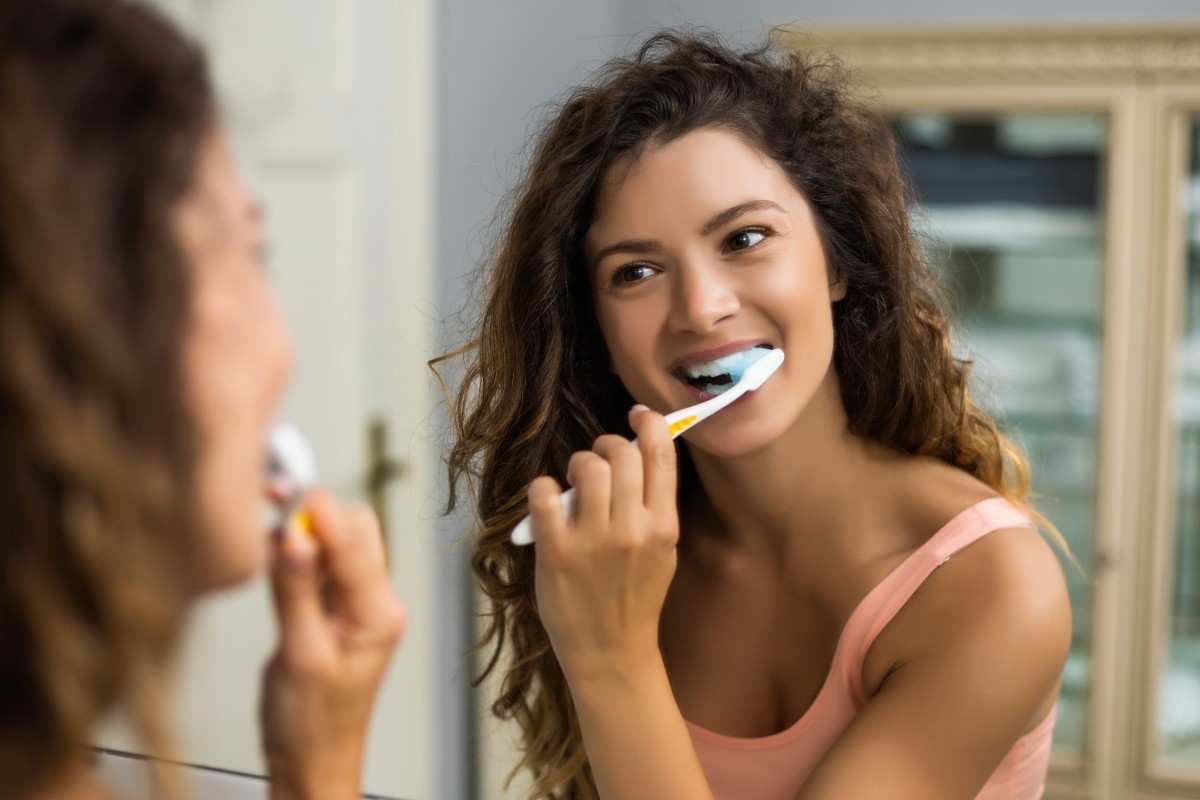
Daily Brushing Tips for a Fresh, Healthy Mouth
October 21, 2026
Key takeaways
- Brush twice daily for two minutes each time with fluoride toothpaste.
- Hold your brush at a 45-degree angle and use gentle circular motions, not hard scrubbing.
- Choose a soft-bristled brush and replace it every three to four months.
- Brushing alone is not enough; add daily flossing, tongue cleaning, and routine checkups.
- Wait about 30 minutes after acidic foods or drinks before brushing.
Quick Answer: How to Brush for a Fresh, Healthy Mouth
To keep your mouth fresh and healthy, brush twice a day for two full minutes with a soft-bristled toothbrush and fluoride toothpaste. Hold the brush at a 45-degree angle to the gumline and clean every surface using gentle circular motions. This simple, consistent habit helps remove the sticky bacterial film called plaque before it can harden into tartar and contribute to cavities or gum problems. Regular brushing, along with routine professional care from White Mountain Dental, can help protect your teeth and gums and keep your smile healthy over time.
The core daily brushing routine at a glance
The foundation is easy to remember. Brush morning and night, floss once a day, and rinse afterward. The American Dental Association recommends brushing twice daily with a fluoride toothpaste and cleaning between your teeth once a day, as outlined in its official daily care recommendations. Doing these steps well matters more than doing them quickly, so slow down and be thorough.
Why technique matters as much as frequency
Brushing often but poorly still leaves plaque behind. A rushed, aggressive scrub can miss the gumline entirely while wearing down enamel and irritating your gums. Good technique reaches the places where decay and gum disease actually start, so the way you brush deserves just as much attention as how often you brush.
How Often and When Should You Brush?
Brush your teeth at least twice a day, once in the morning and once before bed. This schedule keeps plaque from building up over long stretches, especially overnight when saliva flow drops and bacteria are most active.
The twice-a-day standard
Brushing twice a day is widely recommended because it helps control plaque buildup and reduces the risk of tooth decay and gum inflammation. Using fluoride toothpaste in the morning and before bed helps keep teeth clean and strengthens enamel. Bedtime brushing is especially important because it removes food particles and bacteria that have accumulated throughout the day before saliva production naturally slows during sleep.
Should you brush before or after breakfast?
Brushing before breakfast is often the gentler choice. When you brush first, you clear away overnight bacteria and coat your teeth with a protective layer of fluoride before you eat. If you prefer to brush after breakfast, wait a short while so your enamel is not softened by breakfast acids at the moment you brush.
Waiting after acidic foods and drinks
Wait roughly 30 minutes before brushing after acidic foods or drinks such as citrus, soda, coffee, or wine. Acids temporarily soften enamel, and brushing right away can scrub away tiny amounts of that softened surface. In the meantime, rinse with water or chew sugar-free gum to help saliva neutralize the acid and rebuild protection.
The Right Brushing Technique Step by Step
The best brushing technique combines a 45-degree brush angle, gentle circular strokes, and full coverage of every tooth surface for two minutes. This approach clears plaque along the gumline where problems most often begin, without harming your enamel or gums.
Angle the brush
Place your soft-bristled brush against your teeth at a 45-degree angle so the bristles gently reach the gumline, where plaque loves to hide.
Use gentle circles
Move the brush in small, soft circular motions rather than a harsh back-and-forth saw. Let the bristles do the work.
Cover every surface
Brush the outer surfaces, the inner surfaces, and the flat chewing surfaces of every tooth. Tilt the brush vertically to reach behind your front teeth.
Finish and rinse lightly
Brush your tongue to freshen your breath, then spit out excess toothpaste. Spitting rather than heavy rinsing leaves more protective fluoride behind.
The 45-degree angle and gentle circular motion
Angling the bristles toward the gumline lets them sweep away plaque right where teeth and gums meet. The ADA’s brushing guidance describes short, gentle strokes with the brush tilted at this angle. Heavy pressure is unnecessary and counterproductive, so keep the touch light.
How long to brush (the two-minute rule)
Brush for two full minutes each session. Most people stop far too soon, so try dividing your mouth into four sections and spending 30 seconds on each. A timer, a phone app, or a song of the right length can help you build the habit until two minutes feels natural.
Covering all surfaces: outer, inner, and chewing
Give equal attention to the fronts, backs, and tops of your teeth. The inner surfaces of the lower front teeth and the very back molars are commonly neglected, yet they collect plaque quickly. A deliberate, section-by-section pattern makes sure nothing is skipped.
Understanding Popular Brushing Rules
Popular memory aids like the 333 rule and the 2 2 2 rule exist to make good habits easier to remember. They are helpful reminders, though the twice-daily, two-minute standard backed by the ADA remains the core recommendation.
What is the 333 rule for brushing your teeth?
The 333 rule suggests brushing three times a day, for three minutes each time, and doing so within three minutes after eating. It encourages frequency and thoroughness, but the after-meal timing can conflict with the advice to wait after acidic foods, so use judgment around acidic meals.
What is the 2 2 2 rule for brushing teeth?
The 2 2 2 rule means brushing two times a day, for two minutes each time, and visiting your dentist twice a year. It lines up closely with mainstream recommendations and is easy to follow, which is why many patients find it the most practical rule to live by.
Which rule should you actually follow?
For most people, the 2 2 2 rule is the simplest and safest to adopt because it matches professional guidance without the timing pitfalls of brushing immediately after acidic meals. Whatever aid you choose, the goal stays the same: consistent, gentle, thorough cleaning plus regular checkups.
Common Brushing Mistakes to Avoid
The most common brushing mistakes are scrubbing too hard, missing the gumline, rushing, and using the wrong brush. These habits leave plaque behind or damage your teeth and gums over time, which undoes the benefit of brushing at all.
What is a poor brushing technique?
Poor brushing technique includes fast back-and-forth scrubbing, heavy pressure, holding the brush flat against the teeth instead of angling it, and skipping inner and back surfaces. It also includes brushing for only a few seconds. These shortcuts allow plaque to linger where cavities and gum disease begin.
Brushing too hard and gum recession
Brushing too hard does not clean better; it wears away enamel and pushes your gums back, exposing sensitive roots. Once gums recede, they do not grow back. Ease off the pressure, choose soft bristles, and let gentle circular strokes do the cleaning.
Using a worn or wrong-bristle toothbrush
Frayed, splayed bristles cannot clean effectively, and medium or hard bristles can harm gums and enamel. Stick with soft bristles and swap your brush out well before it looks worn. A good brush in good condition is one of the simplest upgrades to your routine.
Use these
- Soft-bristled manual or electric toothbrush
- Fluoride toothpaste
- Gentle circular strokes at a 45-degree angle
- Floss or interdental brushes once a day
- A timer or app to reach two full minutes
Avoid these
- Medium or hard bristles
- Aggressive back-and-forth scrubbing
- Brushing right after acidic foods or drinks
- Worn brushes with frayed bristles
- Rushing through in under two minutes
Choosing the Right Tools and Toothpaste
The right tools are a soft-bristled toothbrush, whether manual or electric, and a fluoride toothpaste. Both remove plaque well when used correctly, so the best choice is the one you will use properly and consistently.
Soft-bristled manual vs. electric toothbrushes
A soft-bristled manual brush cleans thoroughly in skilled hands, while an electric brush can make good technique easier and often includes a built-in two-minute timer. The ADA’s home care resource notes that both types are effective. If you tend to brush too hard, an electric model with a pressure sensor can help protect your gums.
Why fluoride toothpaste matters
Fluoride toothpaste strengthens enamel and helps reverse the earliest stages of decay before a cavity forms. A systematic review of oral health care guidelines supports fluoride use as a cornerstone of daily prevention. Use a pea-sized amount, and supervise young children so they use only a small smear and avoid swallowing.
When to replace your toothbrush
Replace your toothbrush, or your electric brush head, every three to four months, or sooner if the bristles look bent or frayed. Also replace it after you have been sick, since bacteria can linger. A fresh brush cleans more effectively and keeps your routine working as intended.
Beyond Brushing: Building a Complete Oral Care Routine
Brushing is essential, but a truly healthy mouth needs more. Add daily flossing, tongue cleaning, smart food choices, and regular dental visits to protect the areas your brush cannot reach on its own.
Flossing and interdental cleaning
Floss or clean between your teeth once a day, because a toothbrush cannot reach the tight spaces where plaque and food collect. If traditional floss is tricky, interdental brushes or water flossers are good alternatives. Consistent between-teeth cleaning is one of the biggest steps toward healthier gums.
Rinsing, tongue cleaning, and diet
Gently brush or scrape your tongue to remove the bacteria that cause bad breath, and rinse with water throughout the day. Limit sugary and acidic snacks, and drink plenty of water to support saliva, which naturally protects your teeth. Small diet changes add up over time.
How to make your mouth healthy again
If your routine has slipped, you can turn things around by returning to the basics: brush twice daily with fluoride toothpaste, floss every day, cut back on sugar, and book a professional cleaning. If you wear clear aligners, keep them in at all times except during your oral hygiene routine, and clean both your teeth and the aligners consistently. For ongoing support with your habits, our team offers general care to help you stay on track.
When to See Your North Conway, NH Dentist
See your dentist for routine checkups twice a year, and sooner if you notice warning signs like bleeding gums, persistent bad breath, sensitivity, or pain. Professional care catches problems early, while they are still simple to treat.
Warning signs you shouldn’t ignore
Bleeding or swollen gums, lingering bad breath, loose teeth, sensitivity to hot or cold, and ongoing tooth pain all deserve attention. These signs often mean plaque and tartar have progressed beyond what home care can fix, so do not wait for them to worsen.
Routine checkups and professional cleanings
Even a flawless home routine leaves some hardened tartar that only a professional cleaning can remove. Regular visits in North Conway, NH let our team polish away buildup, check for early decay, and personalize your daily habits. Consistent visits paired with good brushing give you the best shot at a fresh, healthy mouth for life.
Ready to take the next step?
Schedule a consultation with White Mountain Dental in North Conway.
Call +1 603-356-6505Meet Dr. Harry Gulati
Dr. Harry Gulati, BDS, DMD, CAGS, brings extensive clinical, academic, and research experience to Androscoggin Valley Dental. He earned his Bachelor of Dental Surgery from Dr. D.Y. Patil Dental School, his Certificate of Advanced Graduate Studies in Restorative and Esthetic Dentistry from Boston University, and his Doctor of Dental Medicine from Tufts University School of Dental Medicine. He also completed advanced training in implant dentistry through the International Academy of Dental Implantology.
Known for his calm and patient-centered approach, Dr. Gulati provides preventive, restorative, cosmetic, and implant care with a strong focus on long-term function and natural-looking results. He takes the time to explain treatment options clearly, helping patients feel informed, comfortable, and confident throughout their care.
Beyond private practice, Dr. Gulati has served as an Associate Clinical Professor at Tufts University School of Dental Medicine, where his responsibilities have included clinical instruction, diagnosis, treatment planning, and mentoring dental students. He has lectured nationally and internationally on restorative dentistry, dental education, and the treatment of endodontically treated teeth. His professional contributions also include published research, editorial and journal-review roles, dental product evaluation, and participation in organizations such as the American Dental Association, Academy of General Dentistry, and American Dental Education Association.
Dr. Gulati’s commitment to dentistry extends into the community through volunteer dental screenings, outreach programs, fundraising, and services supporting children and underserved populations. His dedication to clinical care, education, and service has earned several honors, including Incisal Edge’s Top 40 Under 40 recognition, the Doctors’ Choice Award, and fellowship in the International College of Dentists.
Learn more about Dr. Gulati’s professional background and accomplishments on his LinkedIn profile.
Frequently asked questions
Q: What is the 333 rule for brushing your teeth?
The 333 rule means brushing three times a day, for three minutes each session, and doing so within three minutes after eating. It is a memory aid meant to encourage frequent, thorough cleaning. Keep in mind, though, that brushing immediately after acidic foods or drinks can harm softened enamel, so it is wise to wait about 30 minutes in those cases. For most people, brushing twice a day for two minutes with fluoride toothpaste remains the reliable, professionally backed standard.
Q: How can I make my mouth healthy again?
You can restore your mouth’s health by returning to the basics and staying consistent. Brush twice a day for two full minutes with fluoride toothpaste, floss or clean between your teeth once daily, clean your tongue, cut back on sugary and acidic foods, and drink plenty of water. Then schedule a professional cleaning and checkup so your dentist can remove hardened tartar and spot any early problems. Combining strong daily habits with regular dental visits is the most effective path back to a fresh, healthy mouth.
Q: What is the 2 2 2 rule for brushing teeth?
The 2 2 2 rule means brushing two times a day, for two minutes each time, and visiting your dentist twice a year. It closely matches mainstream dental recommendations and is simple to remember, which makes it one of the most practical rules to follow. This approach keeps plaque under control at home while professional cleanings handle the buildup that brushing and flossing cannot fully remove on their own.
Q: What is a poor brushing technique?
Poor brushing technique includes scrubbing hard in a fast back-and-forth motion, using heavy pressure, holding the brush flat instead of angling it toward the gumline, skipping the inner and back tooth surfaces, and brushing for only a few seconds. These habits leave plaque behind in the places that matter most and can wear down enamel or cause gums to recede. Gentle circular strokes at a 45-degree angle for a full two minutes are far more effective and safer for your teeth and gums.
Q: How long should I brush my teeth each time?
Brush for two full minutes each time, twice a day. A helpful way to reach that goal is to divide your mouth into four sections and spend about 30 seconds on each one, covering the outer, inner, and chewing surfaces. Many people stop far too early, so using a timer, a phone app, or an electric brush with a built-in timer can help you build the habit until two minutes of gentle, thorough brushing feels automatic.
Directions: For directions, use this helpful Google Maps link or get step-by-step navigation using Get Directions.
Remember: Brush twice a day for two minutes with fluoride toothpaste, floss daily, and see your North Conway, NH dentist regularly for the freshest, healthiest mouth.
Disclaimer: This article is for general information only and does not replace personalized advice from your dentist; please consult a professional about your specific needs.
