
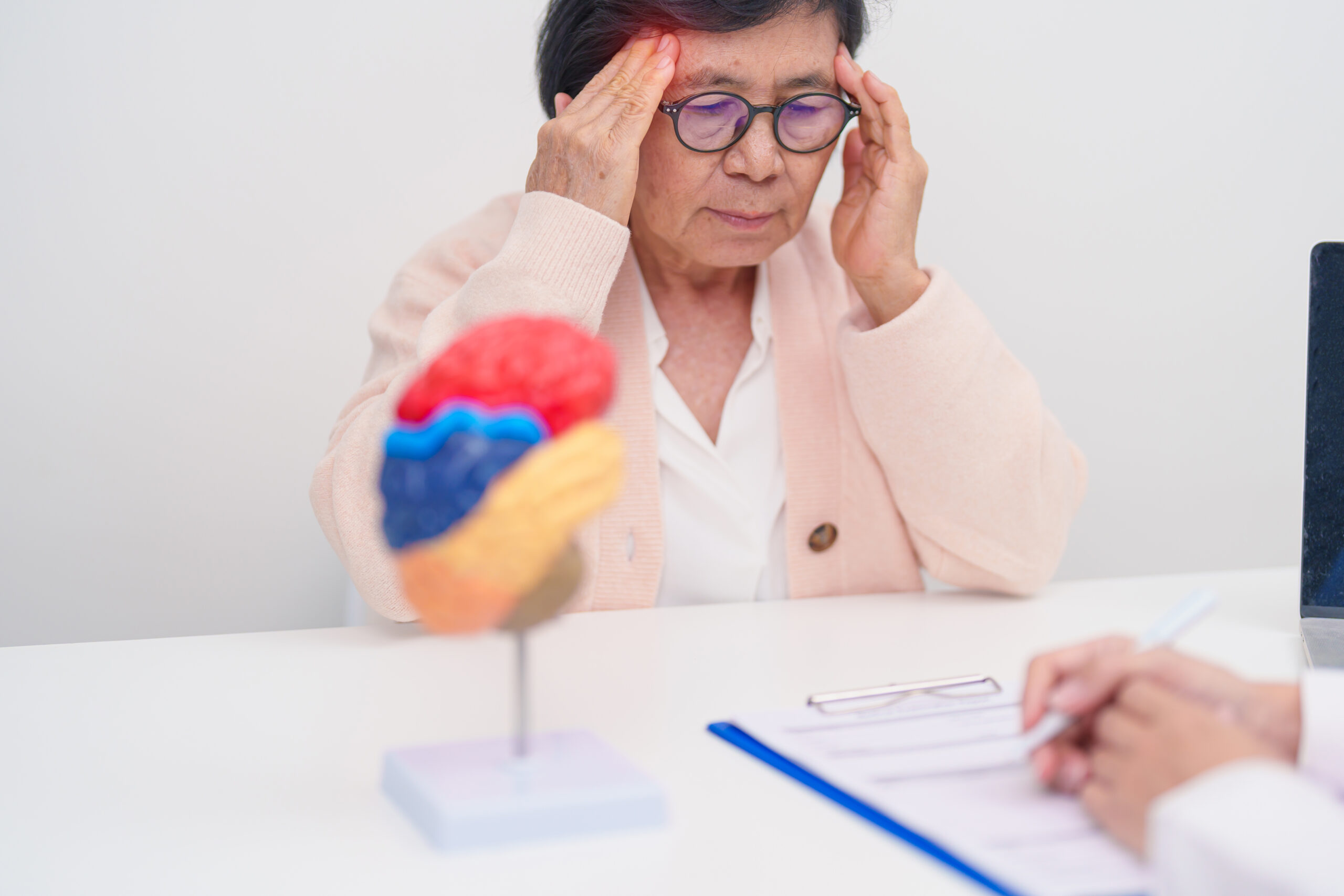
Can Sleep Apnea Cause Memory Problems? What Research Says
October 19, 2026
Key takeaways
- Sleep apnea is strongly linked to memory trouble because low oxygen and fragmented sleep disrupt how memories are formed and stored.
- Verbal memory, the kind you use to remember names and conversations, tends to take the biggest hit.
- Treatment such as CPAP or a custom oral appliance may help recover some lost sharpness over weeks to months.
- Loud snoring, morning headaches, and daytime fog are signals worth discussing with your dentist or doctor.
Picture this. You walk into the kitchen with a clear purpose, then stand there blinking, wondering why you came in at all. You lose names mid-sentence. You reread the same paragraph three times. You blame age, stress, or your overflowing calendar. But what if the real thief works the night shift, quietly raiding your memory while you believe you are fast asleep?
For many people in the Mount Washington Valley, that nighttime culprit is sleep apnea. Let us follow the trail from your pillow to your brain and see exactly how a breathing problem turns into a memory problem.
Quick Answer: Can Sleep Apnea Cause Memory Problems?
Yes. Sleep apnea can cause memory problems because it starves the brain of steady oxygen and shatters the deep sleep your mind needs to file away new information. Over time, this combination makes recall slower and less reliable.
What the research consensus shows
When scientists pooled dozens of studies, a clear pattern appeared. People with obstructive sleep apnea consistently scored lower on memory tasks than those who breathe freely through the night. A large review of this evidence found measurable memory differences tied to the condition, confirming that this is not simply a case of being tired. You can explore the pooled findings in this meta-analysis on memory and sleep apnea.
Why this matters even if you snore occasionally
Even mild, occasional snoring can be an early flag. Snoring is the sound of a partly blocked airway, and a blocked airway can mean brief pauses in breathing you never notice. You do not have to gasp awake dramatically for your brain to lose precious rest. The quiet, repeated interruptions add up, and your memory keeps the receipt.
How Sleep Apnea Affects the Brain and Memory
Sleep apnea harms memory in two main ways. First, it lowers the oxygen reaching brain tissue. Second, it chops your sleep into fragments so the brain never finishes its overnight filing work. Together, they create the foggy mornings so many patients describe.
Oxygen drops and brain tissue
Every time breathing pauses, oxygen levels dip. Your brain is a demanding organ that wants a constant, generous supply. When that supply keeps falling and rising all night, sensitive memory regions feel the strain. Research examining this pattern connects these oxygen dips directly to weaker memory performance, as outlined in this study on the impact of low oxygen on memory.
Fragmented sleep and memory consolidation
Think of sleep as the night crew that organizes everything you learned during the day. Deep, uninterrupted stages are when the brain moves memories from a messy inbox into long-term storage. Sleep apnea keeps interrupting that crew, so the filing never gets finished. Morning arrives and yesterday feels blurry.
A note from Dr. Harry Gulati at White Mountain Dental
“Patients often arrive worried about their teeth and mention, almost in passing, that they wake up exhausted and forgetful. That offhand comment can be the most important thing they tell me, because the mouth and the airway are deeply connected, and we are often the first to spot the clues.”
Which types of memory are most affected
Not all memory suffers equally. Word-based memory, the kind you lean on to recall names, directions, and conversations, tends to take the hardest hit. A focused study found that sleep apnea was tied to trouble with verbal memory while visual memory held up better, as described in this research on verbal versus visual memory in sleep apnea. So if you can picture where you parked but cannot recall the name of the person you met this morning, there may be a reason.
What the Research Actually Says
The research says sleep apnea and memory trouble travel together often enough that the link is hard to ignore. The strongest effects show up in word-based recall, and the condition frequently overlaps with mood and broader thinking changes.
The pooled picture
When many studies are combined, the signal becomes louder than any single study alone. People with untreated sleep apnea repeatedly show weaker memory scores, which suggests the pattern is real rather than coincidental.
Word memory versus picture memory
As noted earlier, verbal memory is the more vulnerable system. This distinction helps explain why people with sleep apnea may still navigate familiar routes easily yet stumble over names and spoken instructions.
The mood and thinking connection
Sleep apnea rarely acts alone. It is closely linked with low mood and wider difficulty concentrating, planning, and reasoning. Researchers describe how disrupted breathing can ripple into both emotion and thinking in this overview of the link between sleep apnea, depression, and thinking. When you feel foggy, flat, and forgetful all at once, poor sleep may be the common thread.
The bigger burden
Looking at the wider population, untreated sleep disruption carries real consequences for long-term brain health and earlier declines in thinking. The stakes reach beyond a few misplaced keys.
| What happens at night | How it can affect memory |
|---|---|
| Oxygen dips | Stresses memory regions of the brain |
| Fragmented sleep | Blocks overnight memory filing |
| Frequent wakeups | Leaves you foggy and slow to recall |
| Low mood overlap | Worsens focus and recall together |
Sleep Apnea vs. Dementia: Telling the Difference
Sleep apnea and dementia can look surprisingly alike on the surface, yet they are very different stories. The biggest clue is that memory trouble from sleep apnea often improves once breathing is restored, while true dementia follows a different, progressive path.
Overlapping symptoms
Both can bring forgetfulness, trouble focusing, word-finding struggles, and a sense of mental slowness. This overlap is exactly why people sometimes fear the worst when the real issue is a treatable breathing problem. The good news is that one of these causes responds well to care.
When to seek an evaluation
If your fog arrives with loud snoring, gasping, choking sounds at night, or relentless daytime sleepiness, sleep apnea deserves a close look first. If memory keeps slipping without those nighttime signals, a broader checkup is wise. Either way, do not guess alone. A conversation with a professional can save you months of worry.
Can You Reverse Memory Loss From Sleep Apnea?
Often, yes, at least in part. When sleep apnea is treated and steady breathing returns, many people notice sharper recall, clearer focus, and fewer foggy mornings. Treatment gives the brain the oxygen and uninterrupted sleep it was missing.
What improves with treatment
With consistent treatment, people frequently report that names return more easily, conversations feel less slippery, and the afternoon crash eases. The brain is resilient, and giving it a quiet, oxygen-rich night to work with can restore some of its spark.
How long improvement may take
Patience helps. Some notice a lift in energy within days, while memory and focus may continue improving over weeks to months of steady use. The key word is steady. Treatment works when it becomes a nightly habit, not an occasional one.
Why consistency wins
Your brain needs repeated good nights to rebuild its routines. One great night followed by five rough ones will not do it. Think of treatment as a nightly deposit into your memory account.
Treatment Options That May Protect Your Memory
Several treatments can protect your memory by keeping your airway open and your sleep whole. The right choice depends on how severe your sleep apnea is and what you will actually stick with over time.
Start with a proper evaluation
Everything begins with the right diagnosis. A sleep study measures how often breathing pauses and how far oxygen falls, which guides the plan.
Consider CPAP therapy
CPAP uses gentle, steady air pressure to keep the airway open all night. It is a well-established approach, and many people see their fog lift once they settle into using it regularly.
Explore a custom oral appliance
For mild to moderate cases, or for people who cannot tolerate CPAP, a custom-fitted appliance worn during sleep can gently reposition the jaw to keep the airway open. This is where a dentist plays a central role, crafting a device that fits comfortably and works night after night.
Add supportive lifestyle changes
Weight management, side sleeping, limiting alcohol near bedtime, and treating nasal congestion can all ease the load on your airway and strengthen whatever treatment you choose.
The dentist’s role
Dentists are often the first to notice the signs, from worn teeth caused by nighttime clenching to a narrow airway visible during a routine exam. If an appliance is a good fit for you, our team can design and adjust one so it feels natural.
Helpful habits
- Use your chosen treatment every single night
- Keep a consistent sleep schedule
- Sleep on your side when possible
- Ask about a custom oral appliance if CPAP feels hard
Habits to rethink
- Skipping treatment on busy nights
- Heavy alcohol close to bedtime
- Ignoring loud snoring as harmless
- Waiting years to get evaluated
For directions, use this helpful Google Maps link or get step-by-step navigation via Get Directions.
Remember: Loud snoring and daytime fog are not just annoyances, and treating sleep apnea consistently can help protect both your rest and your memory.
Disclaimer: This article is for general information only and is not a substitute for personal advice from a qualified dentist or doctor. Please consult a professional about your specific situation.
