
How Digital X-Rays Help Detect Dental Problems
June 4, 2026
Dr. Harry Gulati is a highly skilled and compassionate dentist known for his expertise in preventive and restorative dentistry. He takes a patient-first approach, focusing on comfort, clarity, and long-term oral health. With advanced clinical training and a commitment to continuous education, Dr. Gulati delivers modern, evidence-based care tailored to each patient’s needs. As an adjunct associate professor at Tufts University and an international lecturer, he stays at the forefront of dental innovation. Patients across North Conway and the Mount Washington Valley trust him for precise treatment, thoughtful care, and results that support lasting confidence and overall well-being.
Introduction
A smile can appear perfectly healthy on the surface while hidden concerns quietly develop underneath. Tiny cavities may begin forming between teeth. Bone loss can slowly progress below the gumline. Cracks may spread deep within a tooth long before pain appears. In many cases, the human eye alone cannot fully reveal what is happening inside the mouth.
That is where digital X-rays have completely transformed modern dental care.
Instead of waiting for symptoms to become severe, dentists can now identify concerns in their earliest stages with sharper imaging, faster results, and significantly lower radiation exposure than traditional systems. Today’s imaging technology allows dentists to see beneath the surface with remarkable precision, helping patients receive timely care before small problems become larger and more expensive complications.
At White Mountain Dental, Dr. Harry Gulati uses advanced digital imaging systems to improve diagnosis, treatment planning, and long-term oral health monitoring. Patients often feel reassured knowing their dental concerns are being evaluated with modern technology designed for both accuracy and comfort.
Understanding digital X-rays dental diagnosis accuracy in North Conway by Dr. Harry Gulati can help patients appreciate how early detection plays an important role in protecting teeth, gums, and overall oral wellness.
Seeing Beyond the Surface of a Smile
Many dental problems begin quietly. A cavity may start in an area hidden between teeth. Infection may develop beneath an old filling without causing immediate discomfort. Wisdom teeth may shift below the gums before visible symptoms appear.
Without imaging, these concerns can remain unnoticed for months or even years.
Digital X-rays allow dentists to detect issues that are impossible to identify during a visual examination alone. The images appear almost instantly on a computer screen, allowing dentists to enlarge, sharpen, and analyze details with incredible clarity.
Patients are often surprised to learn how much information can be revealed through a simple dental image, including:
- Early tooth decay
- Bone loss around teeth
- Impacted teeth
- Cracked teeth
- Hidden infections
- Jawbone abnormalities
- Changes beneath crowns or fillings
- Root damage
- Sinus-related dental concerns
- Developmental issues in children and teens
This level of detail helps dentists make more informed recommendations and helps patients better understand their oral health conditions.
Why Digital Imaging Changed Modern Dentistry
Traditional film X-rays served dentistry well for many years, but digital imaging introduced significant improvements that transformed patient care.
One of the biggest advantages involves speed. Traditional films required processing chemicals and additional waiting time. Digital X-rays appear almost immediately, allowing dentists to discuss findings during the same appointment.
Another major advancement is image quality. Dentists can zoom in on suspicious areas, adjust contrast, and compare images side by side. This often improves diagnostic precision and helps identify concerns at much earlier stages.
Patients also appreciate the comfort factor. Digital sensors are generally more efficient, reducing the need for repeated images.
Most importantly, digital systems use significantly less radiation compared to older film technology. Understanding the benefits of low-radiation dental imaging, as explained by Dr. Harry Gulati, often helps ease patient concerns about dental X-rays and safety.
Modern dental imaging prioritizes both diagnostic accuracy and patient protection.
The Power of Early Detection
One of the greatest advantages of digital X-rays is the ability to identify problems before they become painful or obvious.
A tiny cavity discovered early may require only a small filling. However, if that same cavity remains hidden and untreated, it could eventually spread into the tooth nerve and require a root canal or extraction.
The same principle applies to gum disease. Bone loss often develops gradually beneath the gums without immediate warning signs. Digital imaging can reveal subtle changes early enough to begin preventive treatment before more serious damage occurs.
Many patients benefit from early cavity detection with digital X-rays in North Conway insights because the technology allows treatment to begin while problems are still manageable.
Preventive dentistry is far more effective when dental teams can see what is happening beneath the surface rather than reacting only after symptoms appear.
Hidden Dental Problems That Digital X-Rays Can Reveal
Some oral health issues remain hidden until advanced imaging uncovers them. Patients may feel little or no discomfort despite significant changes occurring inside the mouth.
Digital imaging often helps reveal:
Cracks Inside Teeth
A tooth may appear healthy on the outside while tiny fractures develop inside. Over time, these cracks can deepen, leading to sensitivity, pain, or infection.
Infection at the Tooth Root
Abscesses sometimes form beneath teeth without immediate swelling or severe pain. X-rays help identify these infections before they spread further.
Bone Loss
Gum disease frequently affects the jawbone long before noticeable symptoms appear. Imaging allows dentists to accurately track bone levels.
Wisdom Teeth Concerns
Impacted wisdom teeth may press against neighboring teeth or remain trapped beneath the gums. Digital images help evaluate positioning and future risks.
Failed Dental Work
Older fillings, crowns, or restorations can sometimes develop hidden leakage or decay underneath them.
Jawbone Changes
Certain cysts, abnormalities, or structural concerns can develop silently and are often first identified through imaging.
Patients often gain a better understanding of the importance of dental imaging for hidden tooth problems by Dr. Harry Gulati after seeing how many issues can exist without visible symptoms.
A More Comfortable Experience for Patients
For many years, some patients associated dental X-rays with bulky film sensors and uncomfortable positioning. Digital technology has improved that experience considerably.
Appointments are often faster because images appear immediately. Dentists can review findings chairside without waiting for films to process. This creates smoother visits and more direct communication.
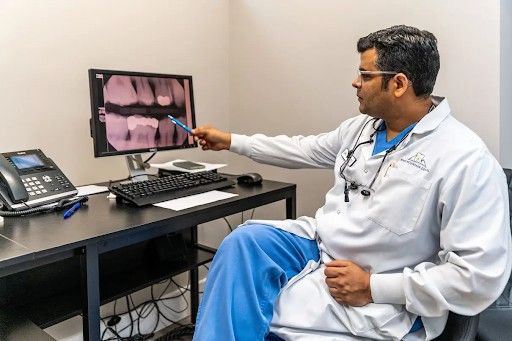
Patients also appreciate seeing their own images on-screen. Instead of simply hearing explanations, they can visually understand where problems exist and why treatment may be recommended.
This transparency often improves trust and helps patients feel more involved in their dental care decisions.
At White Mountain Dental, digital imaging helps create a more educational and collaborative patient experience while supporting advanced diagnostic dental technology in North Conway guidance.
How Digital X-Rays Support Preventive Dentistry
Preventive dentistry focuses on stopping problems before they become severe. Digital imaging plays a major role in that philosophy.
Rather than waiting for pain, swelling, or tooth damage to appear, dentists can monitor small changes over time and intervene earlier.
For example:
- Tiny cavities can be treated before they spread deeper.
- Bone loss can be managed before teeth become loose.
- Developing alignment concerns can be monitored early.
- Hidden infections can be treated before complications arise.
- Wear patterns and bite issues can be evaluated more accurately.
This proactive approach often saves patients time, discomfort, and future treatment costs.
Patients sometimes underestimate the value of routine imaging because healthy teeth do not always indicate healthy structures beneath the gums.
The Role of Digital Imaging in Treatment Planning
Digital X-rays are not only useful for finding problems. They also help dentists plan treatments with greater precision.
When planning procedures such as crowns, root canals, implants, or extractions, imaging provides critical information about tooth roots, bone structure, nerve locations, and surrounding tissues.
For dental implants, accurate imaging helps evaluate bone density and determine ideal implant placement.
For root canals, digital images help identify the shape and condition of tooth roots.
For restorative procedures, imaging helps detect hidden concerns beneath existing dental work.
This level of planning improves both efficiency and long-term treatment outcomes.
Understanding digital X-rays dental diagnosis accuracy in North Conway by Dr. Harry Gulati helps patients recognize how imaging supports safer and more predictable dental care.
Reducing Anxiety Through Clear Communication
Dental anxiety often increases when patients feel uncertain about what is happening inside their mouths. Digital imaging helps reduce that uncertainty.
When dentists can display enlarged images on-screen, patients gain a clearer understanding of their condition. They can visually see areas of decay, bone loss, or infection instead of relying solely on verbal explanations.
This educational approach helps many individuals feel more comfortable moving forward with treatment because they understand the reason behind recommendations.
Patients often feel reassured knowing that modern technology is helping to guide decisions with greater accuracy than guesswork.
Safer Imaging With Lower Radiation Exposure
Radiation safety remains one of the most common patient concerns regarding dental X-rays. Fortunately, digital systems significantly reduce radiation exposure compared to traditional film-based imaging.
Modern digital sensors require less radiation to produce highly detailed images. Dentists also use protective techniques and safety measures to further minimize exposure.
For many patients, learning about the low radiation dental imaging benefits explained by Dr. Harry Gulati provides peace of mind and encourages them to maintain routine preventive visits.
Dental imaging recommendations are carefully tailored based on individual oral health needs, age, risk factors, and treatment history.
Digital Dentistry Continues to Evolve
Dental technology continues to advance rapidly, and imaging systems are becoming even more sophisticated.
Today’s modern imaging tools can integrate with treatment planning software, restorative design systems, and digital scanning technology. This creates more streamlined care experiences and highly detailed evaluations.
Artificial intelligence and enhanced imaging software are also helping dentists identify patterns and subtle changes more efficiently than ever before.
As technology evolves, patients benefit from earlier detection, more conservative treatment approaches, and improved communication throughout their care journey.
At White Mountain Dental, patients receive care supported by modern diagnostic tools designed to improve both comfort and precision.
Key Takeaways
- Digital X-rays help dentists identify hidden problems that may not be visible during a routine examination.
- Early detection often allows smaller and less invasive treatments.
- Modern digital imaging uses significantly lower radiation than traditional film systems.
- Digital technology improves image clarity, speed, and diagnostic accuracy.
- Imaging supports preventive care, treatment planning, and long-term oral health monitoring.
- Patients benefit from better communication by viewing their dental images chairside.
- Advanced imaging helps reveal cavities, infections, bone loss, fractures, and impacted teeth earlier.
FAQs
1. Are digital dental X-rays safe?
Yes. Modern digital dental X-rays use significantly lower radiation levels than older traditional film systems. Dental teams also follow strict safety guidelines to minimize exposure while capturing necessary images.
2. How often should dental X-rays be taken?
The frequency depends on your oral health history, age, risk factors, and current dental condition. Some patients may need images more frequently, while others require them less often.
3. Can digital X-rays detect cavities early?
Yes. Digital imaging is highly effective for identifying small cavities, especially between teeth or beneath existing dental work, before they become larger problems.
4. Do digital X-rays hurt?
Most patients find digital X-rays comfortable and quick. The process usually takes only a few minutes and provides immediate results.
5. Why are X-rays important if my teeth feel fine?
Many dental problems initially develop without pain or visible symptoms. Digital X-rays help dentists detect hidden concerns early before they progress into more serious conditions.
Conclusion
Modern dentistry is no longer limited to what can be seen with the naked eye. Digital X-rays have transformed how dental professionals detect, monitor, and treat oral health concerns by revealing hidden issues long before they become severe.
From identifying early cavities and infections to evaluating bone health and treatment planning, digital imaging provides an important foundation for accurate and preventive dental care. Patients benefit not only from improved diagnosis but also from lower radiation exposure, faster appointments, and better communication throughout the treatment process.
At White Mountain Dental, Dr. Harry Gulati uses advanced imaging technology to help patients make informed decisions about their oral health while supporting safer, more efficient, and more comfortable dental visits. With modern diagnostic tools and personalized care, patients can feel more confident knowing that potential problems are identified as early as possible.
Remember: Regular dental visits, combined with modern digital imaging, can help detect small concerns before they become major dental problems. Early diagnosis often leads to simpler, healthier, and more comfortable treatment experiences.
Disclaimer: This blog is intended for educational purposes only and should not replace professional dental advice, diagnosis, or treatment. Always consult a qualified dental professional regarding concerns about your oral health or imaging needs
