
What Are the Benefits of Oral Appliance Therapy for Sleep Apnea?
August 17, 2026
Quick answer
At White Mountain Dental, oral appliance therapy may be used to treat sleep apnea with a custom mouthpiece that holds the lower jaw slightly forward to help keep the airway open. The appliance is comfortable, quiet, and portable, and it is often better tolerated than CPAP, making it a strong option for many people with mild to moderate obstructive sleep apnea.
Best-suited apnea severity
Typical appliance lifespan
Nightly use vs. CPAP
Key takeaways
- Oral appliances are a comfortable, portable alternative to CPAP for many patients with mild to moderate obstructive sleep apnea.
- A custom mandibular advancement device gently repositions the lower jaw to keep the airway open during sleep.
- Patients often stick with oral appliances more consistently than CPAP, which improves real-world results.
- A sleep study and a dental evaluation are needed to confirm you are a good candidate.
- Custom-fitted devices outperform over-the-counter mouthpieces in comfort and effectiveness.
Quick Answer: What Are the Benefits of Oral Appliance Therapy?
The main benefit of oral appliance therapy at White Mountain Dental is a comfortable, quiet, and portable way to treat sleep apnea without a mask or machine. A small custom device worn during sleep holds your lower jaw slightly forward, helping keep your airway open so you can breathe more freely, snore less, and wake up feeling more rested.
Key benefits at a glance
- Comfortable and easy to wear night after night
- Silent operation with no motor or hose
- Compact and simple to pack for travel
- Reduced snoring and improved sleep quality
- Better daytime alertness and support for heart health
- Often higher long-term adherence than CPAP
Who is a good candidate
Good candidates are adults with mild to moderate obstructive sleep apnea, those who snore heavily, and people who have tried CPAP but could not tolerate it. A confirmed diagnosis from a sleep study and a healthy set of teeth and jaw joints are important before fitting.
What Is Oral Appliance Therapy for Sleep Apnea?
Oral appliance therapy uses a custom-made dental device, worn during sleep, to keep the upper airway open. It is a well-established treatment supported by both dental and medical bodies for obstructive sleep apnea and loud snoring, according to the American Dental Association.
How a mandibular advancement device works
A mandibular advancement device works by gently positioning the lower jaw and tongue forward. This forward movement increases the space at the back of the throat and reduces the soft tissue collapse that blocks airflow during sleep. The result is steadier breathing and fewer interruptions through the night.
Types of oral appliances
Most devices fall into two categories. Mandibular advancement devices reposition the lower jaw and are the most common type used for sleep apnea. Tongue-retaining devices hold the tongue forward instead and are used less often. A custom mandibular advancement device fitted by a dentist is the option most patients benefit from.
How it differs from CPAP
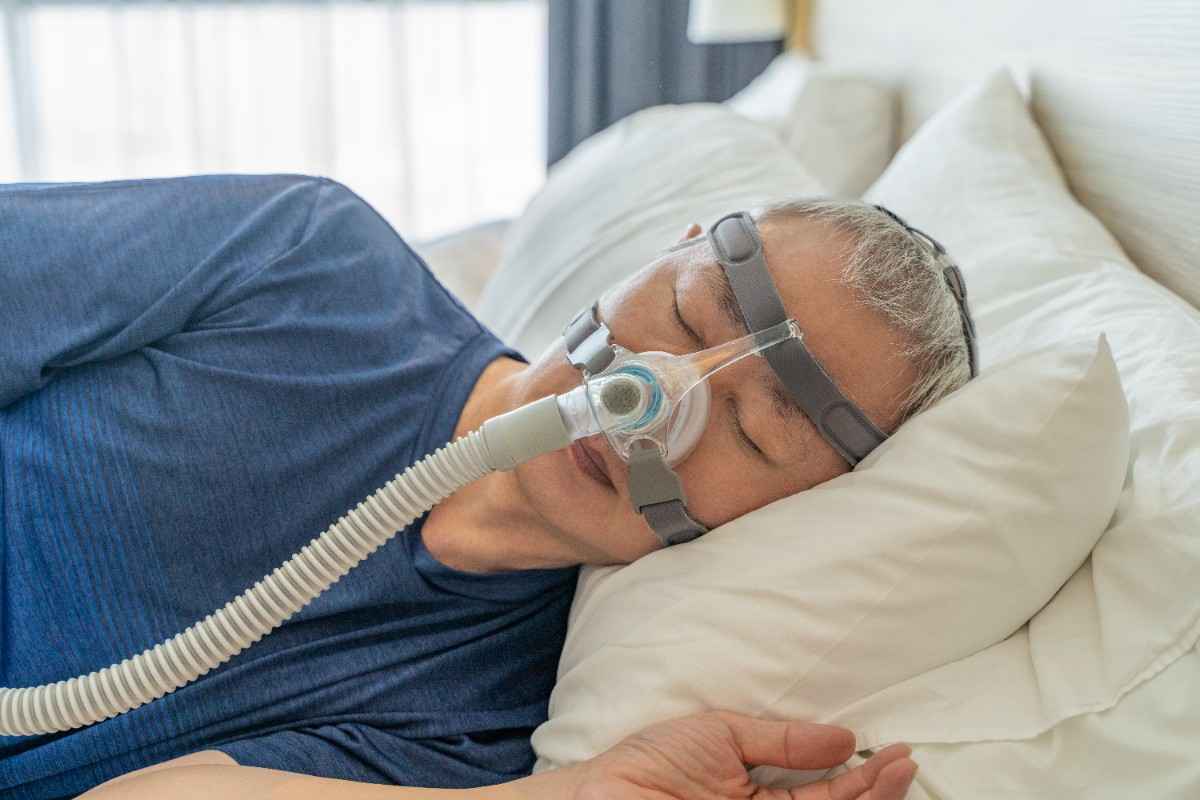
CPAP uses a machine, hose, and mask to push pressurized air into your airway. An oral appliance uses no electricity, no mask, and no noise. For many people, that difference is the reason they can actually stay consistent with treatment.
Oral appliance strengths
- Quiet and mask-free
- Small and travel-friendly
- Easy to tolerate long term
- No electricity required
CPAP challenges some patients report
- Mask discomfort or leaks
- Noise from the machine
- Bulky to travel with
- Harder to use consistently
The Main Benefits of Oral Appliance Therapy
The biggest advantages of oral appliance therapy are comfort, convenience, and consistency, which together lead to real improvements in sleep and health.
Comfortable and easy to tolerate
Oral appliances are custom-molded to your teeth, so they fit snugly without a mask pressing on your face. Most people adjust within a week or two, and the low-profile design feels far less intrusive than headgear and a hose.
Quiet, portable, and travel-friendly
An oral appliance makes no sound, which is welcome for both you and your bed partner. It also fits in a small case, needs no power outlet, and travels easily by car or plane. For frequent travelers, that portability is one of the strongest reasons to choose this therapy.
Improved sleep quality and reduced snoring
By keeping the airway open, an oral appliance reduces the number of breathing pauses and lowers snoring intensity. A systematic review found that oral appliances meaningfully reduce the apnea-hypopnea index and improve sleep quality in people with obstructive sleep apnea, as reported in this clinical review.
Better daytime alertness and heart health
Fewer nighttime breathing interruptions often translate into more energy, sharper focus, and less daytime sleepiness. Research also links effective treatment of sleep apnea with improvements in blood pressure and reduced strain on the cardiovascular system, as summarized in this overview of oral appliances in obstructive sleep apnea.
Higher long-term adherence than CPAP
One quiet advantage matters most: people tend to use their oral appliance more consistently. Even when CPAP lowers the apnea index more on paper, the comfort of an oral appliance can close the gap because patients actually wear it every night. A long-term meta-analysis confirmed that mandibular advancement devices maintain their effectiveness over years of use.
A note from Dr. Harry Gulati at White Mountain Dental
“The best sleep apnea treatment is the one a patient will use every single night. I have seen people who struggled with CPAP finally get restful sleep with a custom oral appliance simply because it fits their life. Consistency is where the health benefits really add up.”
How Effective Is Oral Appliance Therapy?
Oral appliance therapy is effective for most people with mild to moderate obstructive sleep apnea, and it can help selected patients with more severe disease who cannot tolerate CPAP.
What the clinical evidence shows
Clinical studies consistently show that oral appliances reduce the apnea-hypopnea index, decrease snoring, and improve daytime symptoms. An updated review of oral appliance treatment reported reliable improvements in breathing and sleep quality across a wide range of patients, as noted in this treatment update.
Success rates for mild to moderate sleep apnea
Success is highest in mild to moderate cases, where many patients achieve a significant reduction in breathing events and relief from symptoms. Individual results vary based on jaw anatomy, device fit, and how consistently the appliance is worn.
Oral appliances vs. CPAP outcomes
| Factor | Oral appliance | CPAP |
|---|---|---|
| Reduction in breathing events | Good, best in mild to moderate | Often greater, especially in |
| cases | severe cases | |
| Comfort | High for most users | Variable |
| Nightly use | Often more consistent | Can be lower |
| Portability | Excellent | Limited |
Who Should Consider an Oral Appliance?
An oral appliance is worth considering if you have mild to moderate obstructive sleep apnea, snore heavily, or cannot tolerate CPAP.
Best candidates
- Adults with mild to moderate obstructive sleep apnea
- People who cannot get comfortable with CPAP
- Frequent travelers who need a compact solution
- Patients with healthy teeth, gums, and jaw joints
When CPAP may still be recommended
CPAP remains the first choice for many people with severe obstructive sleep apnea, since it often controls breathing events more completely. Your sleep physician may recommend starting with CPAP and considering an oral appliance if you struggle to use the machine.
The role of a sleep study and dentist evaluation
A diagnosis always comes first. A sleep study confirms whether you have sleep apnea and how severe it is. From there, a dental evaluation checks that your teeth and jaw can support a device and captures the impressions needed for a precise fit. You can pair this with routine general care visits to keep your mouth healthy while you use the appliance.
Potential Drawbacks and Care Tips
Oral appliances are safe and well tolerated, but like any therapy, they have possible side effects and require regular care.
Common side effects
Most side effects are mild and temporary. They can include extra saliva, dry mouth, minor jaw soreness, or small shifts in bite that usually settle as you adjust. Report any lasting discomfort to your dentist so the fit can be refined.
How long an appliance lasts
A well-made custom appliance typically lasts about three to five years with good care. Nightly wear, cleaning habits, and any grinding all influence its lifespan. Your dentist will check the device at follow-up visits and replace it when it shows wear.
Cleaning and follow-up care
Rinse each morning
Rinse the appliance under cool water and brush it gently with a soft toothbrush to remove buildup.
Clean without heat
Use a mild, non-abrasive cleaner and avoid hot water, which can warp the device.
Store dry
Keep the appliance in its ventilated case when not in use to prevent bacteria and damage.
Keep follow-up visits
Return for periodic checks so your dentist can confirm fit, comfort, and effectiveness.
Getting Fitted for an Oral Appliance in North Conway, NH
Getting fitted for an oral appliance in North Conway, NH involves a straightforward series of visits with Dr. Harry Gulati at White Mountain Dental after your sleep apnea diagnosis.
What to expect at your dental visit
Your first visit includes a review of your sleep study, an exam of your teeth and jaw, and digital impressions or scans. Your custom device is then made to fit precisely, and follow-up appointments fine-tune the jaw position for the best balance of comfort and results. For pricing on specialty care, please call our office at 603-356-6505.
Custom fit vs. over-the-counter devices
Custom devices are worth the difference. Over-the-counter mouthpieces are inexpensive but often bulky, poorly fitting, and less effective, and they can even worsen bite problems over time. A device made from your own impressions fits securely, works better, and is safer for your teeth and jaw.
Choose a custom appliance
- Precise, secure fi
- Adjustable jaw positio
- Professional follow-up car
- Longer-lasting material
Be cautious with over-the-counter
- Generic, loose fit
- No professional adjustment
- Higher risk of bite changes
- Often less durable
Dr. Harry Gulati, BDS, DMD, CAGS, brings extensive clinical, academic, and research experience to Androscoggin Valley Dental. He earned his Bachelor of Dental Surgery from Dr. D.Y. Patil Dental School, his Certificate of Advanced Graduate Studies in Restorative and Esthetic Dentistry from Boston University, and his Doctor of Dental Medicine from Tufts University School of Dental Medicine. He also completed advanced training in implant dentistry through the International Academy of Dental Implantology.
Known for his calm and patient-centered approach, Dr. Gulati provides preventive, restorative, cosmetic, and implant care with a strong focus on long-term function and natural-looking results. He takes the time to explain treatment options clearly, helping patients feel informed, comfortable, and confident throughout their care.
Beyond private practice, Dr. Gulati has served as an Associate Clinical Professor at Tufts University School of Dental Medicine, where his responsibilities have included clinical instruction, diagnosis, treatment planning, and mentoring dental students. He has lectured nationally and internationally on restorative dentistry, dental education, and the treatment of endodontically treated teeth. His professional contributions also include published research, editorial and journal-review roles, dental product evaluation, and participation in organizations such as the American Dental Association, Academy of General Dentistry, and American Dental Education Association.
Dr. Gulati’s commitment to dentistry extends into the community through volunteer dental screenings, outreach programs, fundraising, and services supporting children and underserved populations. His dedication to clinical care, education, and service has earned several honors, including Incisal Edge’s Top 40 Under 40 recognition, the Doctors’ Choice Award, and fellowship in the International College of Dentists.
Learn more about Dr. Gulati’s professional background and accomplishments on his LinkedIn profile.
Frequently asked questions
Q: Do oral appliances for sleep apnea really work?
Yes. Clinical studies show that custom oral appliances reduce breathing interruptions, decrease snoring, and improve sleep quality, especially for mild to moderate obstructive sleep apnea. Results are best when the device is custom-fitted and worn every night.
Q: How long does an oral appliance for sleep apnea last?
A well-made custom appliance typically lasts about three to five years. Its lifespan depends on nightly wear, cleaning habits, and whether you grind your teeth. Your dentist checks it at follow-up visits and replaces it when it shows wear.
Q: What is the success rate of oral appliances for sleep apnea?
Success rates are highest in mild-to-moderate cases, where many patients achieve a meaningful reduction in breathing events and relief of symptoms. Outcomes vary with jaw anatomy, device fit, and the consistency with which the appliance is worn.
Q: Is an oral appliance better than CPAP for sleep apnea?
It depends on your situation. At White Mountain Dental, we recognize that CPAP often controls breathing events more completely, particularly in severe cases, while oral appliances can be more comfortable and may be worn more consistently. For many people with mild to moderate sleep apnea or CPAP intolerance, an oral appliance can be a practical real-world treatment option.
For directions, use this helpful Google Maps link or get step-by-step navigation via Get Directions.
Remember: Consistent nightly use and regular follow-up visits are what make oral appliance therapy work, so keep your appointments and clean your device daily.
Disclaimer: This article is for general information only and is not a substitute for a diagnosis or personalized advice from your dentist or physician.
