
Overbite Treatment Options: Surgery vs Braces vs Clear Aligners
March 13, 2026
Throughout his career, Dr. Harry Gulati has been recognized for his exceptional work. He received the 40 under 40 award from Incisal Edge magazine and the Doctor’s Choice Award. Dr. G and White Mountain Dental have also been proud recipients of the Best of Mt. Washington Reader’s Choice Award. As a fellow of the International College of Dentists and the International Academy of Dento-Facial Esthetics (IDFE), Dr. G demonstrates his unwavering commitment to excellence in dentistry. With over a decade of experience and extensive continuing education, Dr. Gulati possesses comprehensive expertise in restorative dentistry, including crowns, bridges, implants, and oral surgery.
Introduction
A smile does more than show happiness. It reveals comfort, confidence, and health. But sometimes the way teeth meet can affect more than appearance. An overbite, where the upper teeth overlap the lower teeth too much, can influence chewing, speech, jaw comfort, and long-term oral health.
Many people ignore mild bite concerns until symptoms appear. Jaw tension, uneven tooth wear, headaches, or difficulty chewing often bring attention to the issue. The good news is that modern dentistry offers several ways to address it.
At White Mountain Dental, patients often explore Dr. Harry Gulati overbite correction options to understand whether braces, clear aligners, or surgery best suit their needs. This blog explains those choices in a clear and engaging way so you can understand what might work for you.
Understanding Overbite Beyond Appearance
An overbite is not always just a cosmetic concern. When teeth overlap excessively, pressure distribution changes. That pressure may cause gradual enamel wear, gum irritation, or even jaw discomfort.
Some people experience mild cases with minimal impact. Others notice clicking sounds, tension near the ears, or fatigue while chewing. Addressing these issues early can prevent long-term complications.
During a Dr. Harry Gulati jaw alignment consultation, factors such as bite pattern, jaw position, tooth health, and lifestyle habits are carefully reviewed. This ensures treatment recommendations match both dental health and daily comfort.
The Human Side of Bite Correction
Before discussing treatment methods, it helps to understand something important. Bite correction is not one-size-fits-all. Two people with similar overbites might need completely different approaches.
Age, bone structure, tooth position, and personal goals all influence decisions. Some prefer a gradual correction with minimal visibility. Others require structural changes for better function.
This is why conversations around Dr. Harry Gulati surgical vs non-surgical overbite treatment are always personalized rather than generic.
Option One: Braces – The Classic Path with Modern Improvements
Braces have been trusted for decades. They use brackets and wires to guide teeth gradually into better alignment. Today’s designs are far more comfortable and efficient than older versions.
Why People Still Choose Braces
Braces work well for moderate to complex bite issues. They allow precise control over tooth movement and can address rotation, spacing, and alignment simultaneously.
Everyday Experience
Most patients adjust quickly. There may be mild pressure after adjustments, but this typically fades as teeth adapt. Regular visits ensure progress remains steady.
Benefits Worth Noting
- Reliable correction for varied bite concerns
- Consistent pressure for gradual tooth movement
- Effective for both teens and adults
Many patients exploring Dr. Harry Gulati braces and clear aligners for overbite discover braces remain a dependable option, especially when tooth movement needs extra control.
Option Two: Clear Aligners – Subtle Yet Powerful
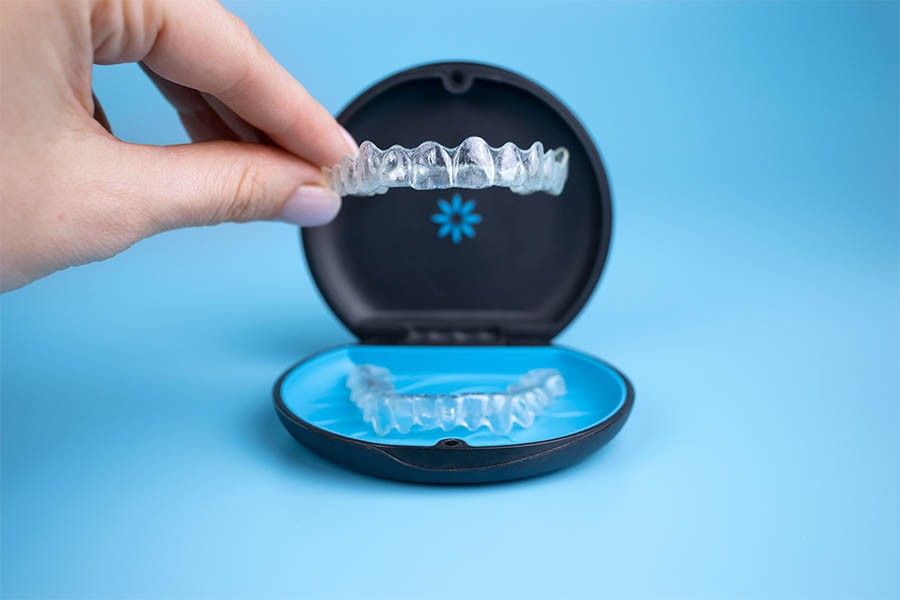
Clear aligners have changed how many people approach bite correction. These transparent trays are custom designed using digital planning. They guide teeth step by step into improved alignment.
Daily Routine with Aligners
Aligners are typically worn all the time, except for oral hygiene routines. Consistency is key for smooth progress.
Why Patients Appreciate Them
- Discreet appearance
- Smooth material for comfort
- Predictable planning through digital visualization
Patients often appreciate seeing projected results before treatment even begins. This clarity builds confidence in the journey.
When discussing Dr. Harry Gulati overbite correction options, aligners frequently emerge as a comfortable solution for mild to moderate cases.
Option Three: Surgical Correction – When Structure Matters
Sometimes the issue is not just tooth position but jaw structure. In these situations, surgical correction may be recommended.
When Surgery Is Considered
Severe jaw misalignment, breathing challenges, or significant functional concerns may require structural correction rather than tooth movement alone.
What the Journey Looks Like
Planning involves detailed imaging, collaborative evaluation, and careful scheduling. Recovery times vary, but many patients report significant functional improvement afterward.
The discussion around Dr. Harry Gulati surgical vs non-surgical overbite treatment helps patients understand whether structural adjustment or gradual tooth movement is more appropriate.
Comparing the Three Paths
Each treatment option offers its own strengths, and understanding these differences can make decision-making much easier. The goal is not simply to choose what sounds modern or popular, but to select what truly supports comfort, function, and long-term oral health.
Braces are often appreciated for their accuracy and control. They allow steady pressure on teeth, which can help guide movement in a very structured way. This makes them especially useful when tooth positioning needs careful adjustment or when bite concerns are more involved. Many patients find reassurance in their predictability, knowing that progress can be closely monitored and adjusted when needed.
Clear aligners bring a different kind of advantage. Their smooth, transparent design allows for a more subtle treatment experience while still supporting gradual correction. Patients often enjoy the comfort factor and the confidence that comes from wearing something less noticeable. When worn consistently, aligners can guide teeth effectively while fitting easily into everyday routines.
Surgical correction is typically considered when the jaw structure itself contributes to the overbite. In such situations, adjusting tooth position alone may not fully resolve the issue. Surgical treatment focuses on improving alignment at the structural level, which can enhance both function and long-term stability. Although it sounds more intensive, it can provide meaningful improvements for certain cases.
Instead of asking which treatment is universally “better,” the more useful question is which option aligns with your dental condition, lifestyle, comfort preferences, and long-term goals. That perspective keeps the focus on personalized care rather than general trends.
A thoughtful Dr. Harry Gulati jaw alignment consultation plays a key role in this process. During this evaluation, factors like bite pattern, jaw structure, dental history, and daily habits are carefully reviewed. This helps create a balanced plan that supports both oral health and overall well-being, ensuring that whichever path you choose feels right for you.
Emotional Impact of Bite Correction
Beyond physical benefits, correcting an overbite often influences confidence. Many patients report:
- Improved comfort while eating
- Clearer speech patterns
- Greater willingness to smile freely
These emotional benefits often surprise patients. What begins as a functional decision frequently leads to broader lifestyle improvements.
Technology Making Treatment Easier
Modern dental technology has changed how overbite correction works.
Digital scanning replaces traditional molds. Treatment simulations help patients visualize progress. Precision planning improves efficiency.
At White Mountain Dental, these advancements support the wide range of Dr. Harry Gulati overbite correction options offered to patients.
Factors That Influence Treatment Choice
Several considerations guide the decision:
Severity of Bite
Mild overlap may respond well to aligners or braces. Structural concerns might require surgical evaluation.
Age and Bone Development
Younger patients often experience faster tooth movement. Adults may require more tailored approaches.
Lifestyle Preferences
Some prefer subtle correction methods. Others prioritize speed or structural correction.
These discussions are central to Dr. Harry Gulati braces and clear aligners for overbite consultations.
Long-Term Benefits of Addressing Overbite
Correcting an overbite can contribute to:
- Balanced chewing forces
- Reduced jaw strain
- Easier oral hygiene
- Improved long-term tooth stability
Many patients notice better overall comfort after treatment.
What Patients Often Ask Before Starting
People usually wonder:
Will treatment hurt?
How long will it take?
Will results last?
Answers vary, but most patients find treatment manageable and worthwhile.
Consistent care and follow-up visits help maintain results.
Patient Experience at White Mountain Dental
White Mountain Dental focuses on comfort, clarity, and personalized care.
Consultations prioritize listening to patient concerns. Digital planning helps visualize outcomes. Treatment recommendations aim to balance function, comfort, and long-term oral health.
Whether discussing braces, aligners, or structural correction, the goal remains the same: confident, healthy smiles.
Key Takeaways
- Overbite correction improves comfort, function, and smile confidence.
- Braces, clear aligners, and surgery each serve different needs.
- Personalized evaluation determines the best approach.
- Consistent wear and follow-up care influence results.
- Early consultation helps prevent long-term complications.
FAQs
1. Can an overbite correct itself over time?
Usually not. Bite issues tend to remain stable or gradually worsen without treatment.
2. Are clear aligners effective for overbite correction?
Yes, many mild to moderate cases respond well when aligners are worn consistently.
3. Is surgery always required for a severe overbite?
Not always. A consultation helps determine whether structural correction is necessary.
4. How long does treatment usually take?
Timelines vary widely depending on severity and treatment type.
5. Will results last permanently?
Long-term stability improves with consistent follow-up care and retainer use if recommended.
Conclusion
Overbite correction is not just about teeth. It is about comfort, confidence, and lasting oral health. Whether treatment involves braces, clear aligners, or structural correction, the right approach depends on individual needs.
Exploring Dr. Harry Gulati’s overbite correction options, understanding Dr. Harry Gulati surgical vs non-surgical overbite treatment, considering Dr. Harry Gulati’s braces and clear aligners for overbite, and scheduling a Dr. Harry Gulati jaw alignment consultation can help patients move toward a healthier, more comfortable smile.
The journey begins with awareness and the willingness to explore possibilities.
For directions, use this helpful Google Map or get step-by-step navigation through Get Directions.
Remember: Early consultation helps prevent bigger bite concerns later. Consistency in treatment habits supports lasting results.
Disclaimer: This content is for informational purposes only and does not replace professional dental advice. Always consult a qualified dental professional for personalized evaluation and treatment recommendations.
