WHITE MOUNTAIN DENTal
Crafting Beautiful Smiles With Precision And Care
WHITE MOUNTAIN DENTal
Crafting Beautiful Smiles With Precision And Care
WELCOME!
Your Gateway to a Radiant Smile!
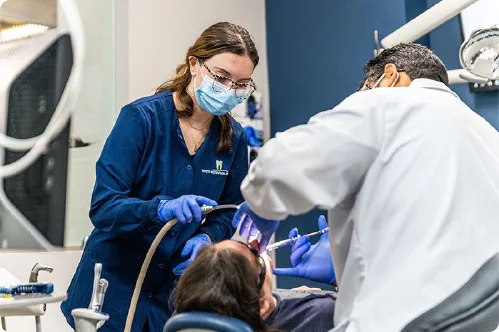
Our skilled and caring team is dedicated to delivering top-notch dental services and preventing oral health issues. With comprehensive dentistry, we enhance your overall well-being, elevating your quality of life in the beautiful North Conway.
Trusted Care. Modern Dentistry.
Experience exceptional dental care with a personal touch
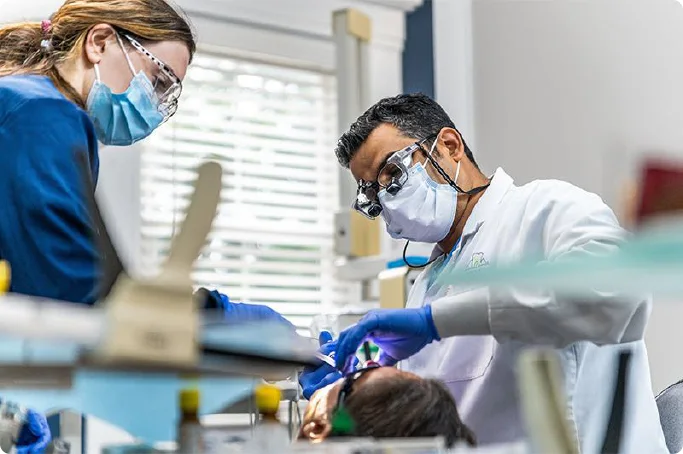
Meet Dr. Gulati & Dr. McCormack, the warm-hearted professionals at White Mountain Dental, who forge lasting connections with patients. Discover our wide range of services on our user-friendly website and book an appointment with your new North Conway dentist. Immerse yourself in our empathetic care and witness the transformation firsthand.
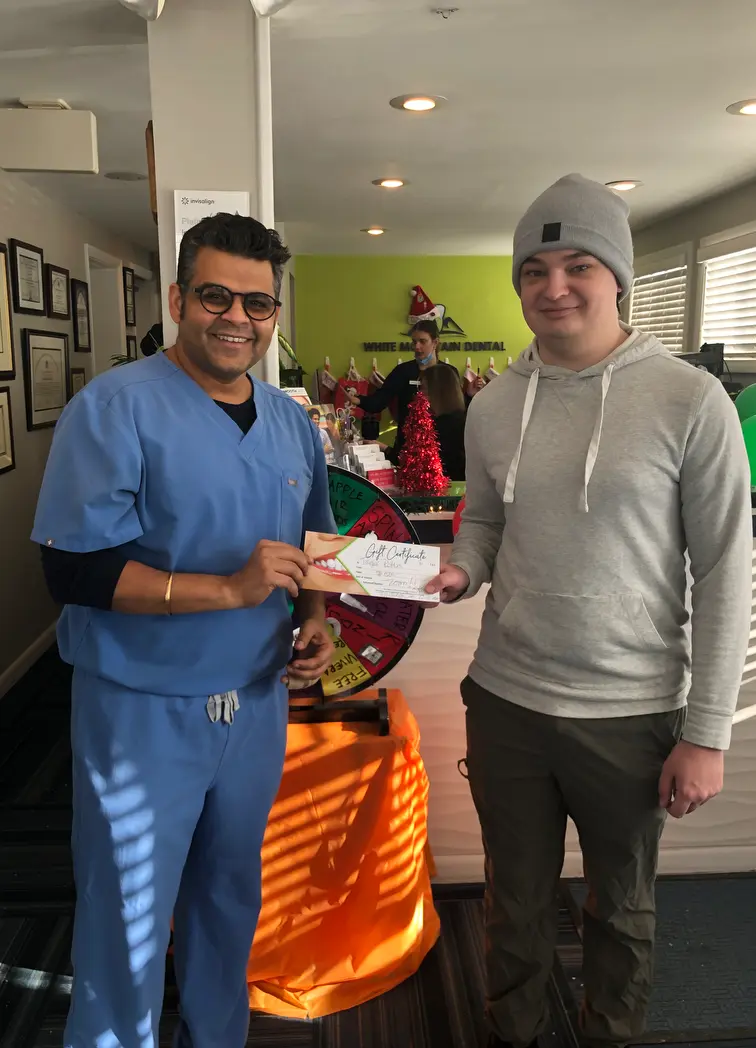
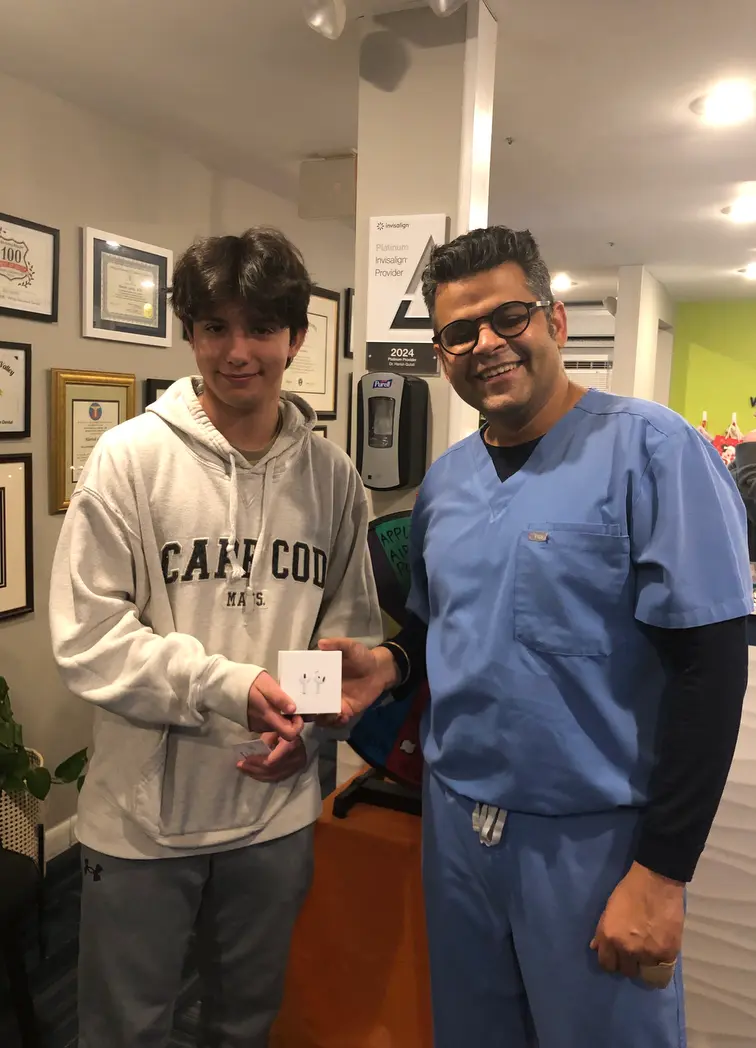
A GALLERY OF SMILES
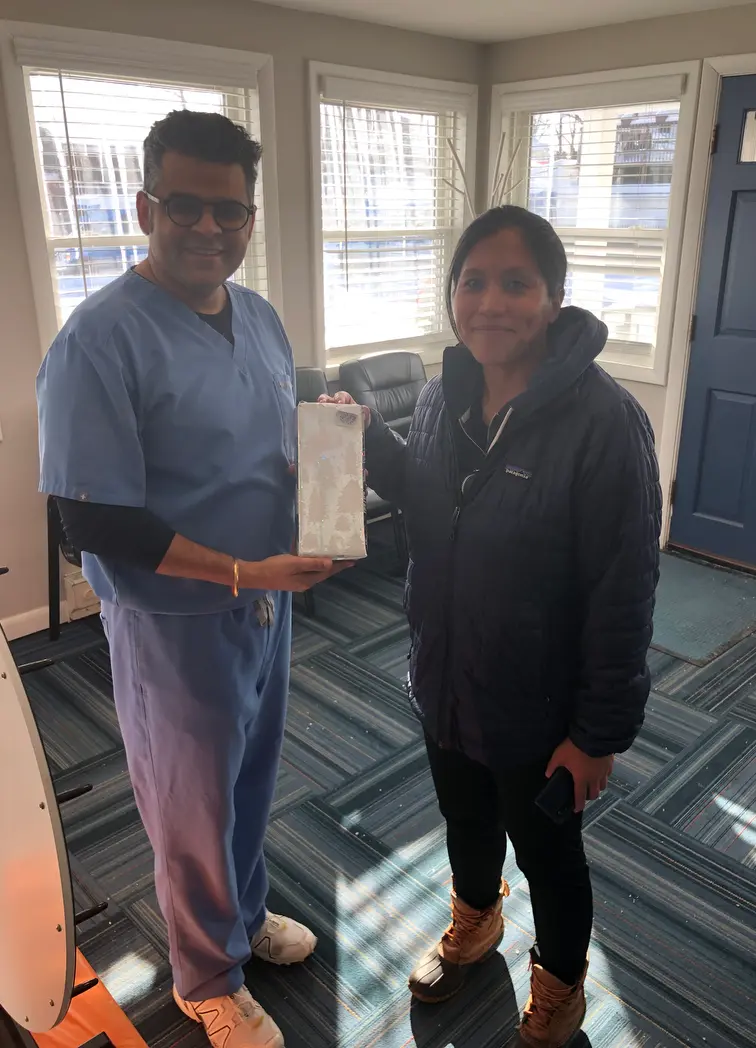
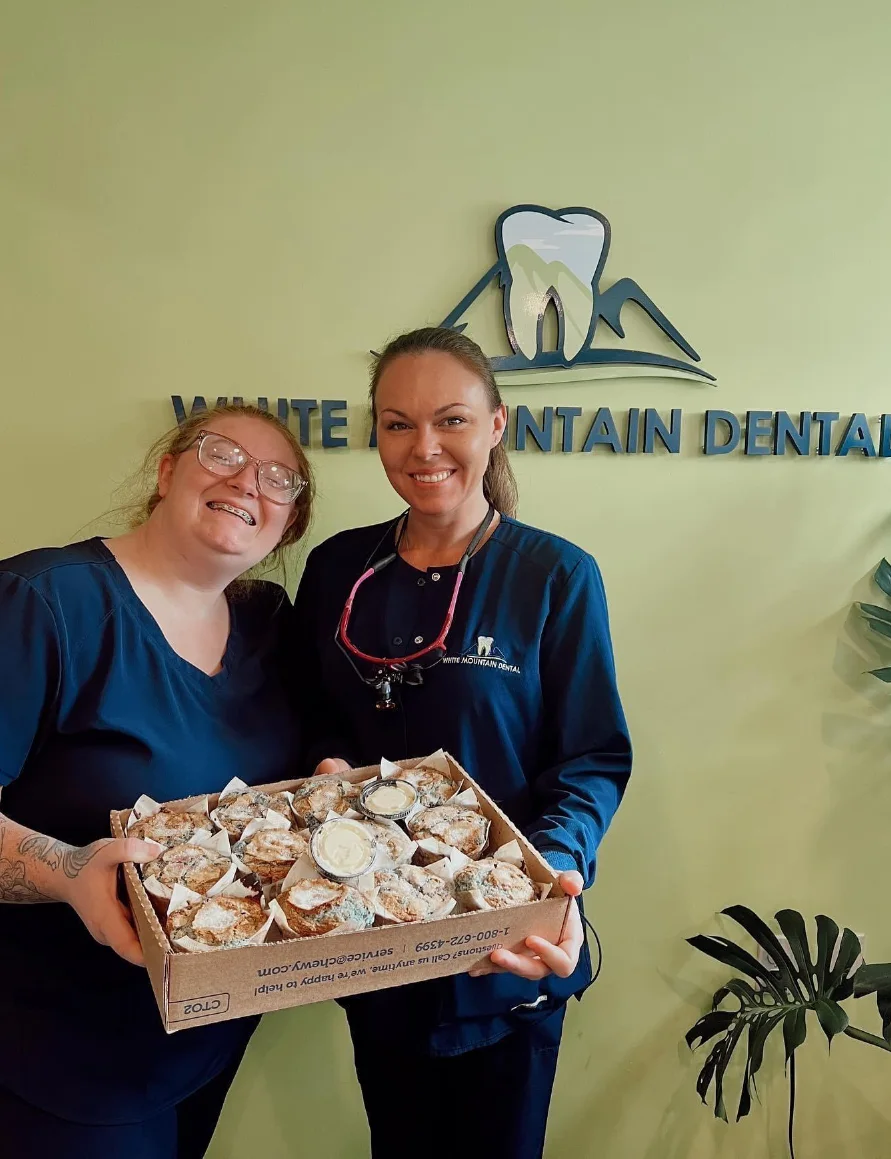
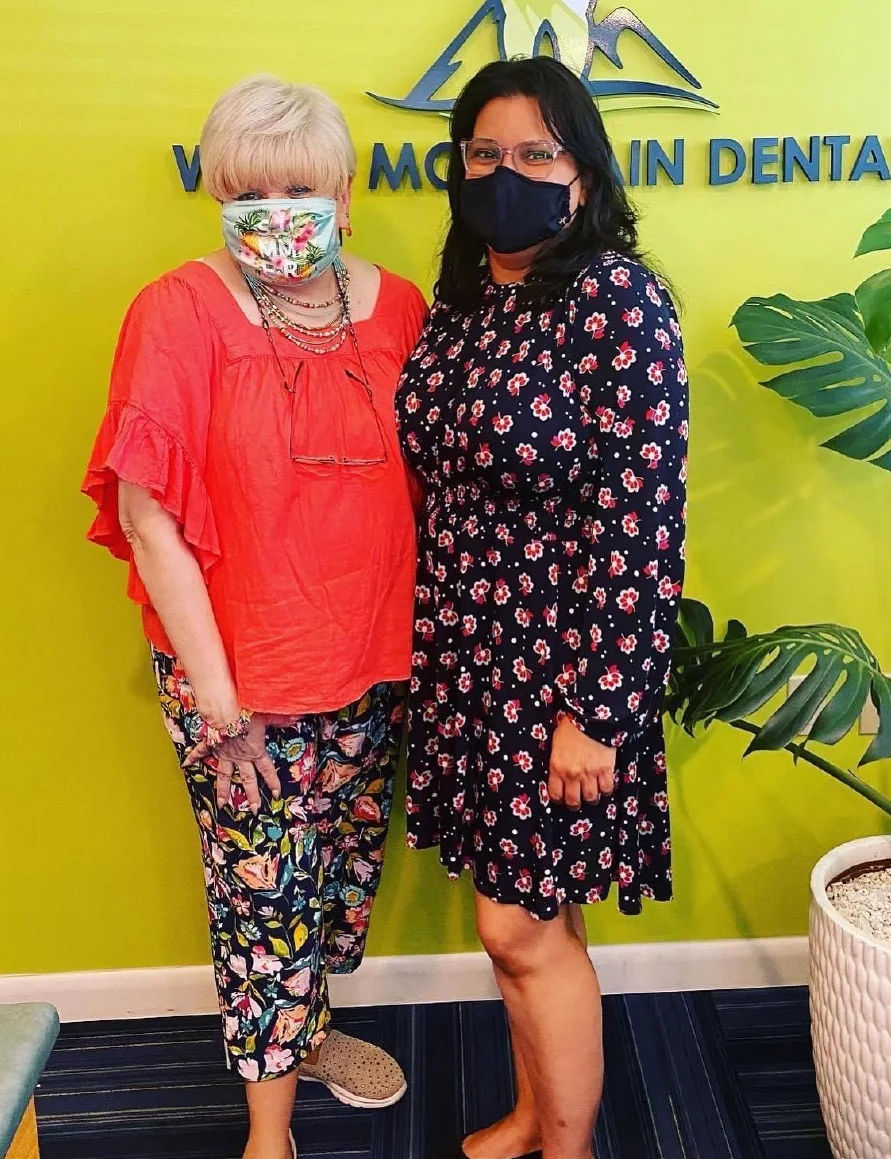
Happy Customers, Beautiful Smiles
OUR SERVICES
Family Dental, Cosmetic Dental & Orthodontic Services
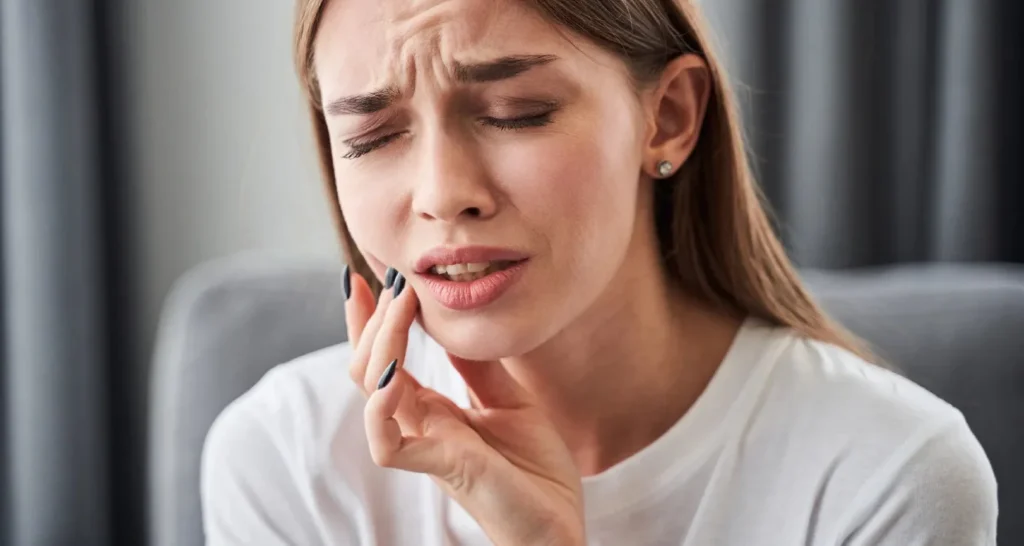
Emergency Dental Care
Fast, compassionate emergency dental care to relieve pain, save teeth, and treat urgent problems.

Cosmetic Dentistry
Cosmetic dentistry to brighten, straighten, and enhance your smile with natural, personalized results.
General Dentistry
Comprehensive general dentistry to protect your oral health with preventive care, comfort, and clarity.
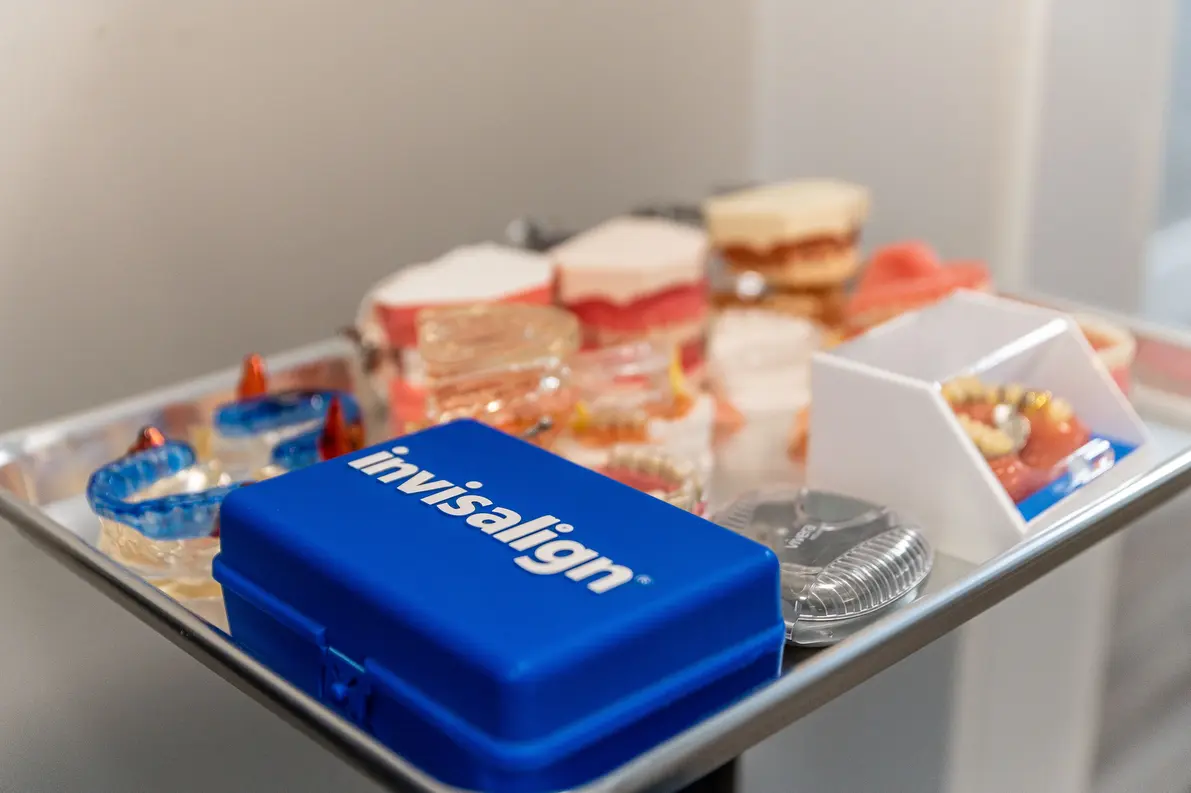
Invisalign
Clear, comfortable aligner treatment designed to gently straighten teeth, improve bite alignment, and enhance your smile with confidence.
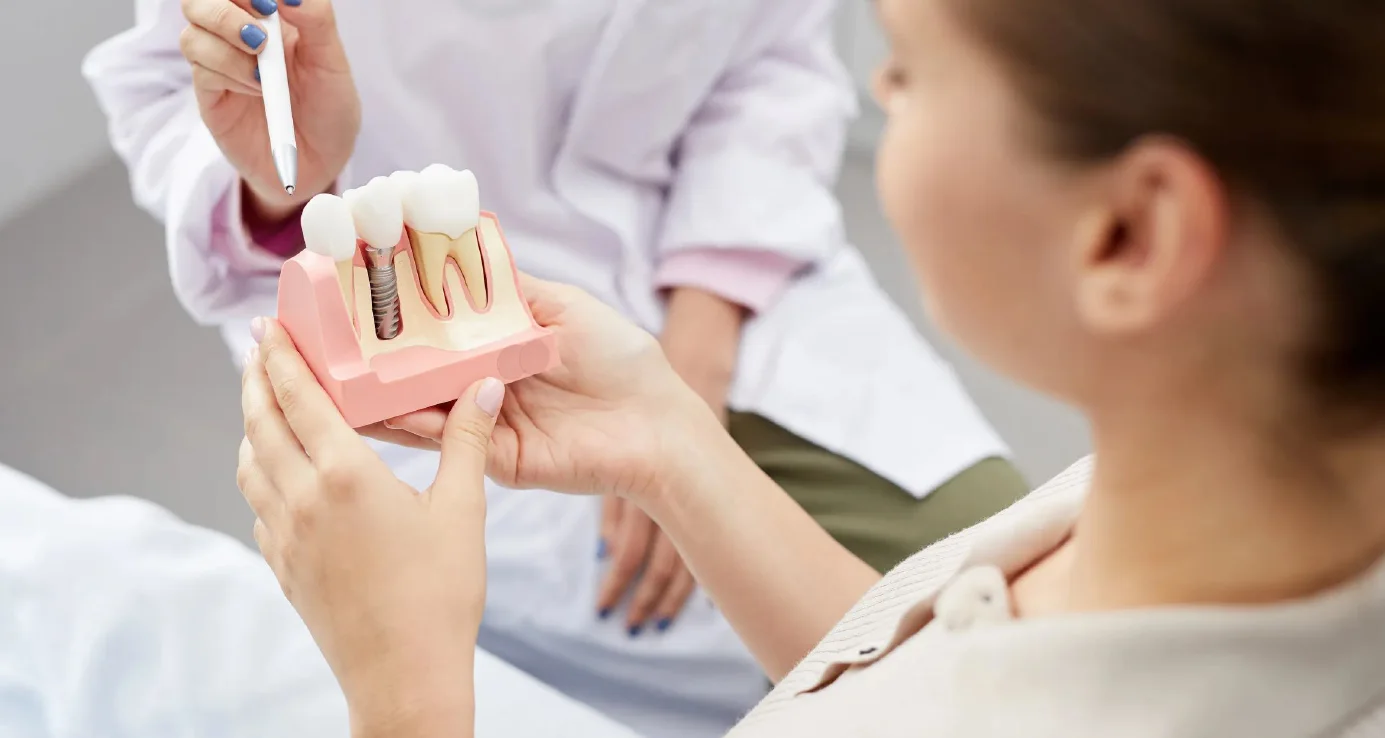
Dental Implants
Permanent, natural-looking tooth replacement solutions designed to restore function, stability, and confidence to your smile.
Dentures
Custom-crafted full and partial dentures that restore your smile, improve comfort, and support confident everyday living.
MEET YOUR DENTIST
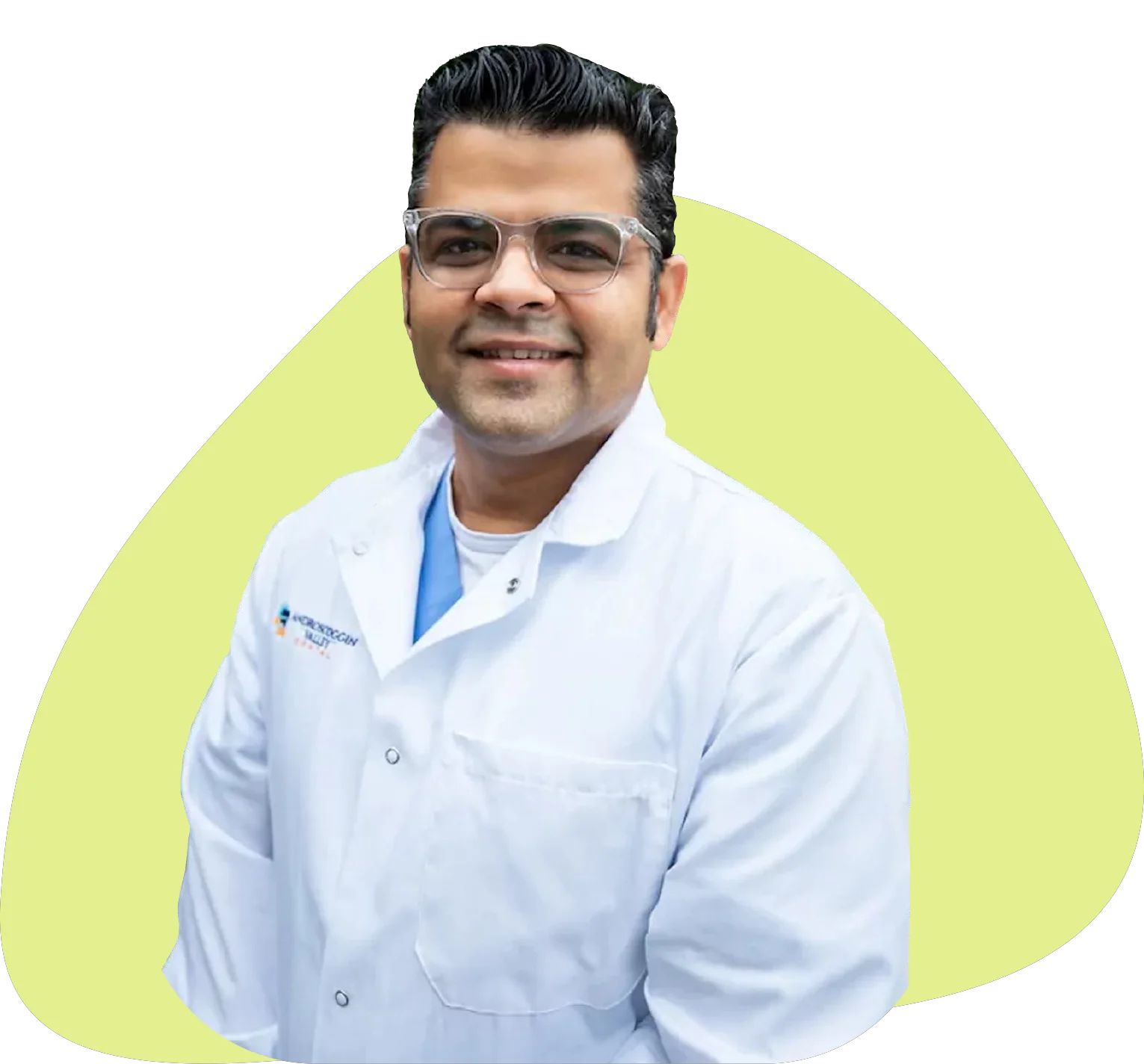
Meet Dr. Harry Gulati
Skilled dentist: Dr. Harry Gulati specializes in preventive and restorative dentistry. He lectures globally, holds degrees from Tufts University and Boston University, and is an adjunct associate professor at Tufts. Dr. G actively engages in community service and supports local businesses. He is a peer-reviewer, affiliated with prestigious dental organizations, and proficient in restorative procedures. A cook and outdoor enthusiast, he’s won the North Conway Chili Cookoff twice.


MEET YOUR DENTIST
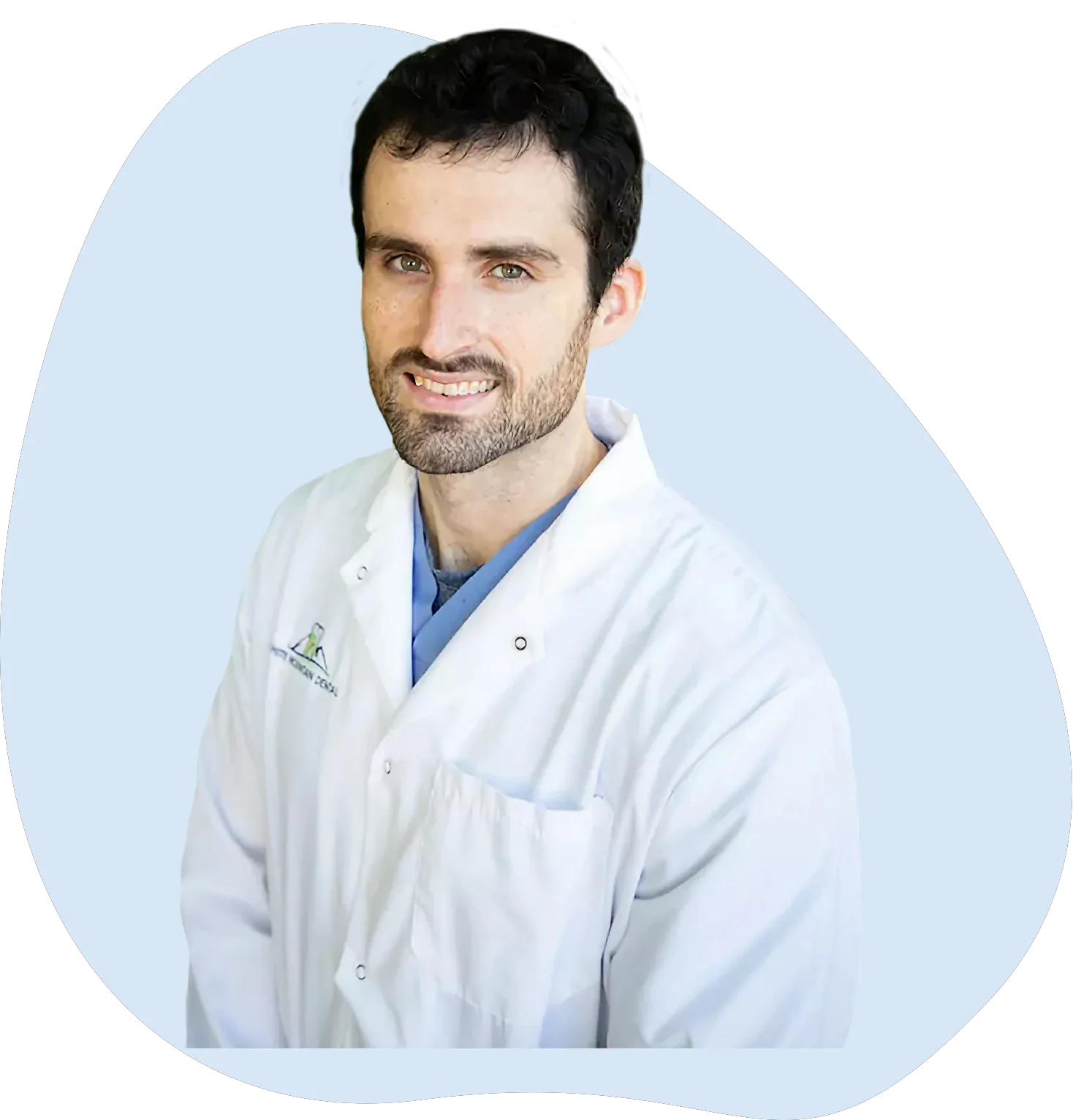
Meet Dr. Christopher McCormack, D.M.D.
Dr. Christopher McCormack, a passionate scientist, found his calling in dentistry after shadowing in a Boston practice during his undergraduate studies. He graduated with honors from the University of Massachusetts Amherst and then attended the Boston University Henry M. Goldman School of Dental Medicine. Dr. McCormack is a member of the Massachusetts Dental Society and American Dental Association. He joins White Mountain Dental, bringing his dedication to providing exceptional dental care. In his free time, he enjoys family, hiking, and traveling with his fiancée. Welcome, Dr. McCormack!
REVIEWS
What Our Patients Are Saying
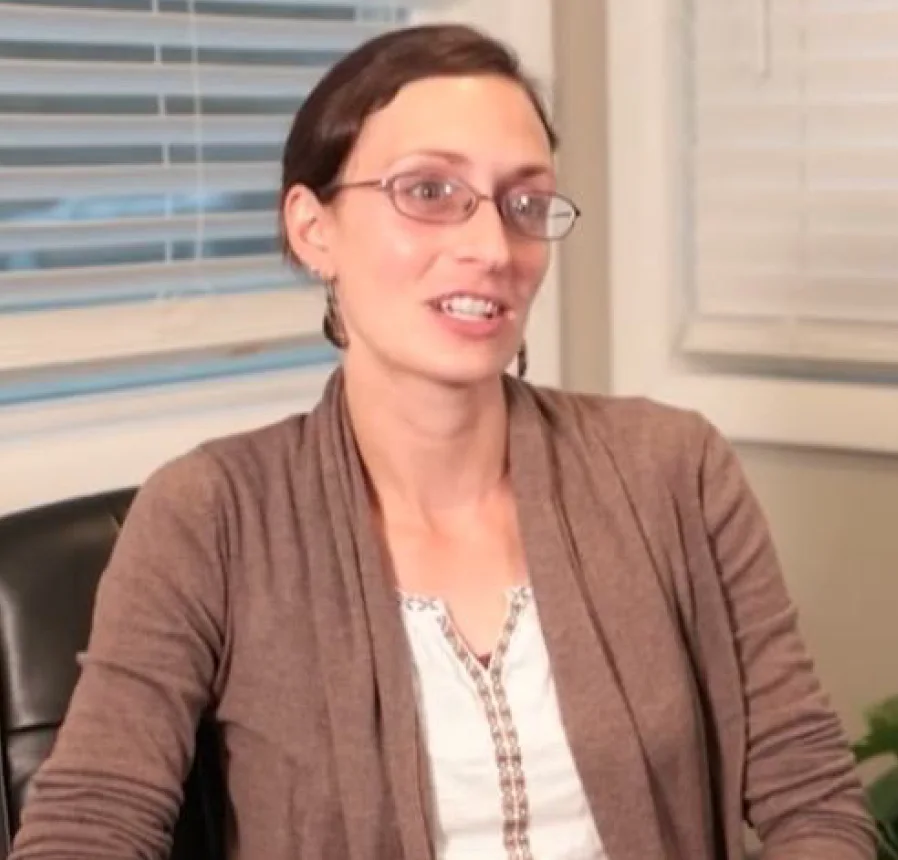
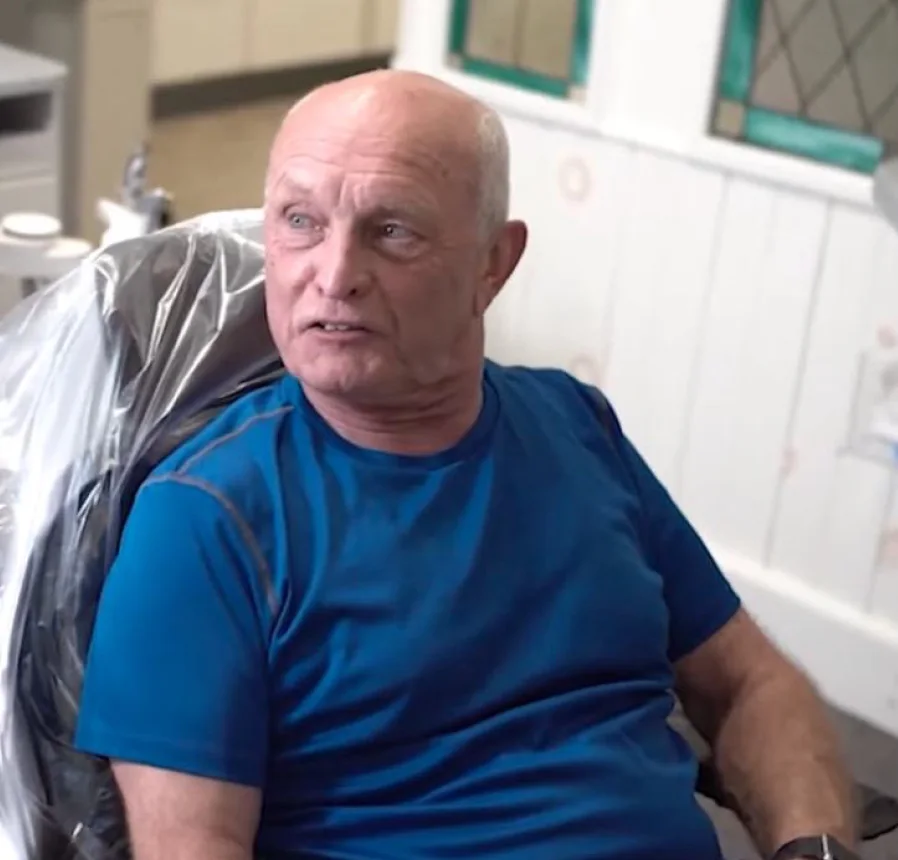
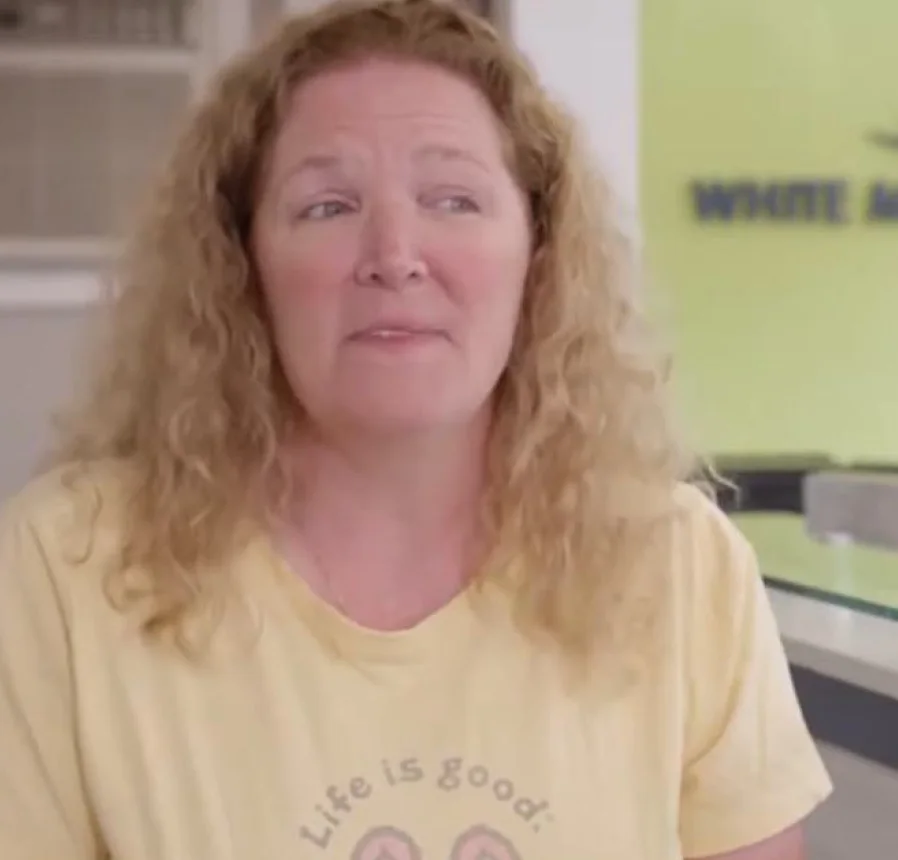
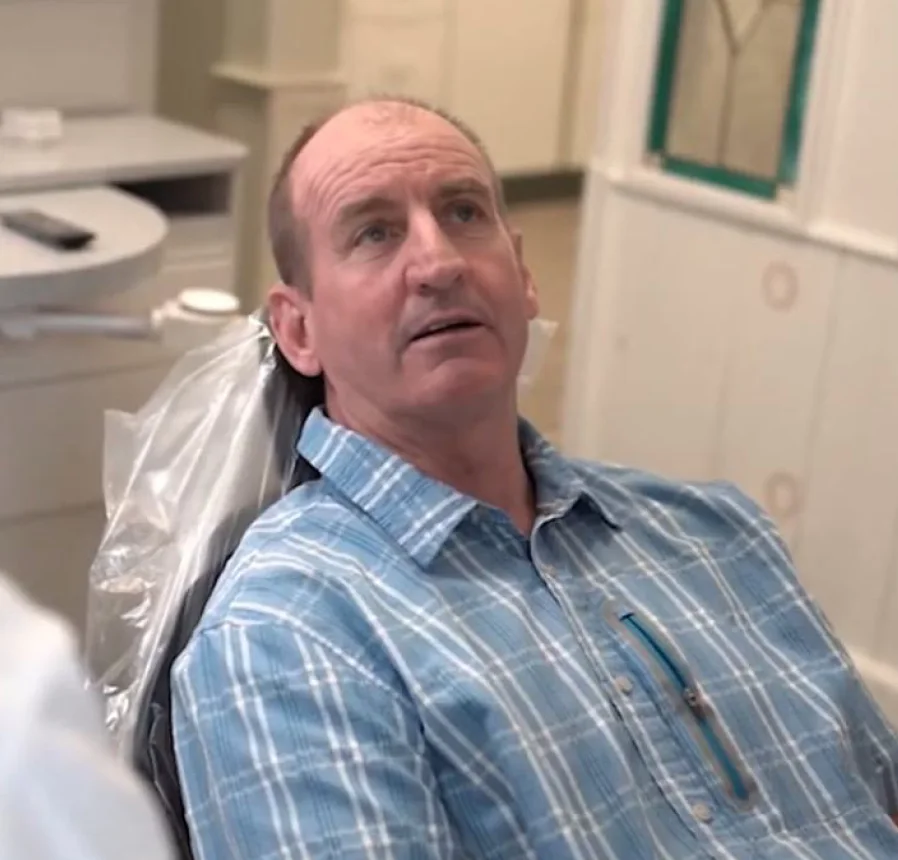
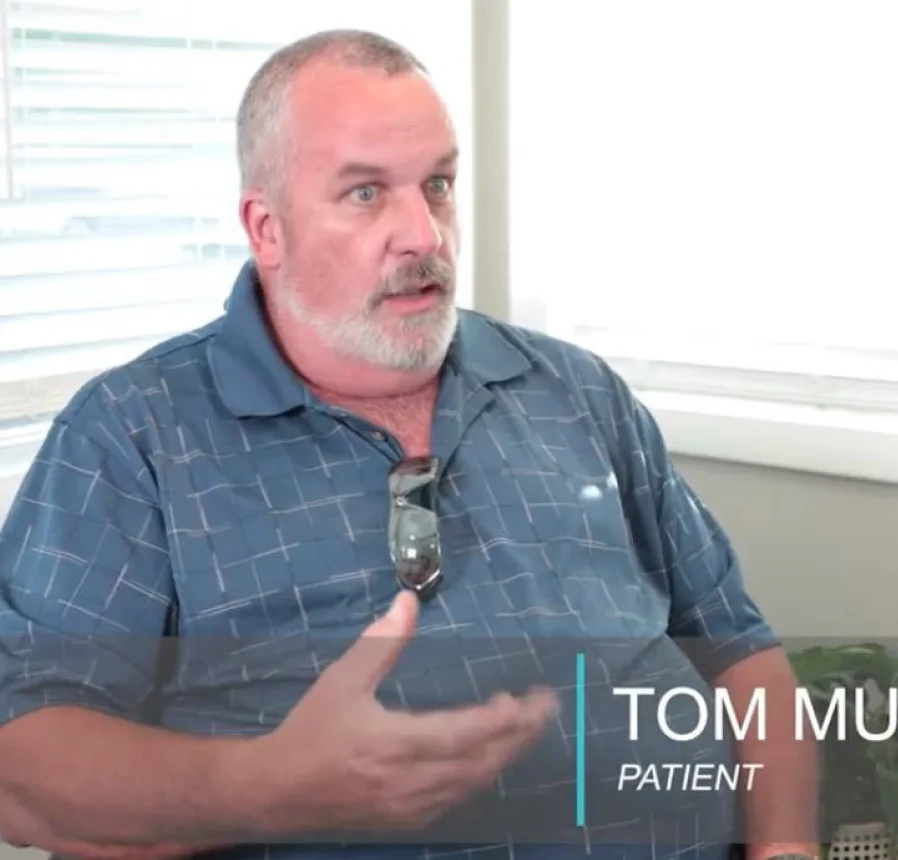
I have a lot of anxiety when it comes to going to the dentist. I put it off for way too many years. That was until I found Dr. Gulati and her fantastic staff. They’re all so patient and kind. They put me at ease and I was able to get my treatment plan completely done. Because of them I am able to no longer have any pain for the first time in years. I cannot express enough how thankful I am. I would highly recommend visiting their office if you have not already done so. What an incredible asset to our community.
– Heather